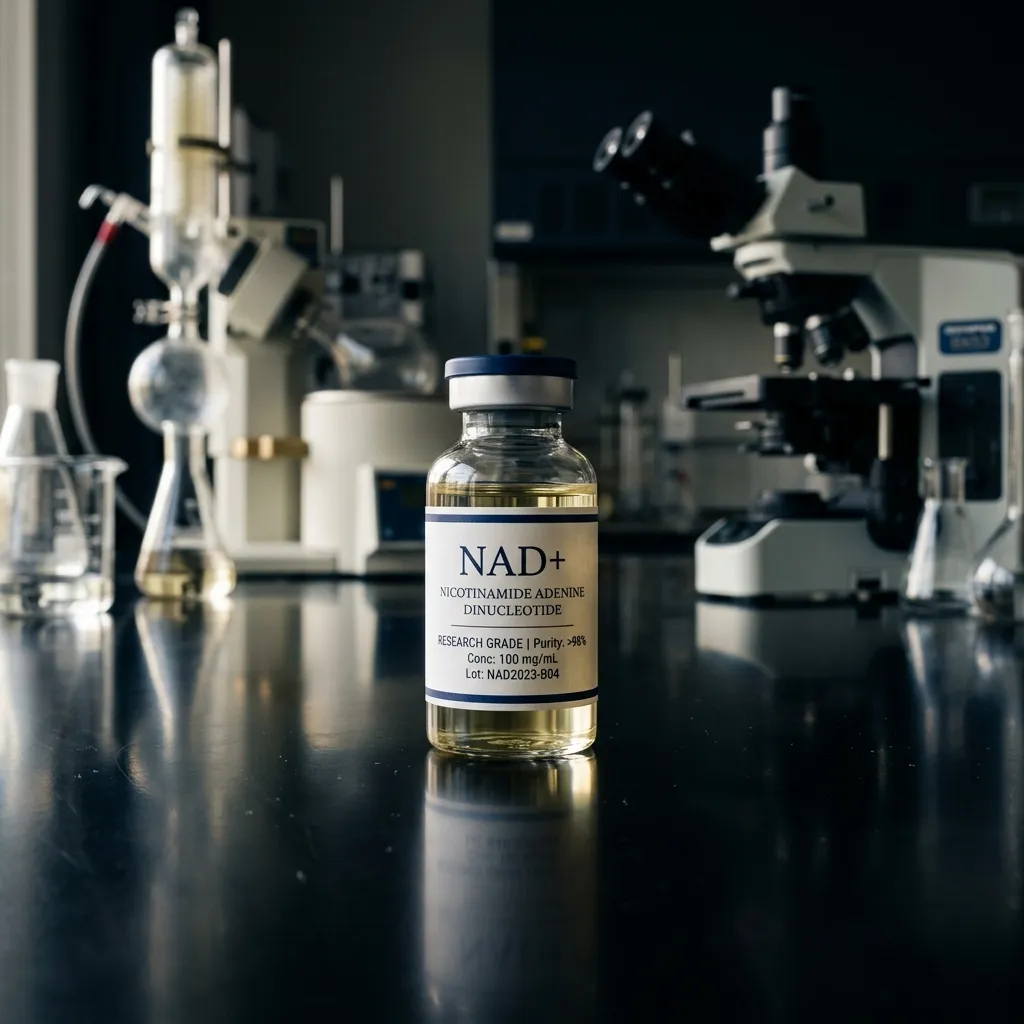
NAD+ Peptide Research: Mitochondrial Function, Cellular Repair, and the Sirtuin Pathway
Few molecules sit as close to the center of cellular biology as NAD+ (nicotinamide adenine dinucleotide). It is not a hormone, a growth factor, or a peptide in the strict sense — it is a coenzyme, present in every cell, required for the basic chemistry that converts nutrients into usable energy. What has made NAD+ a focal point of contemporary research is not its role in energy metabolism alone, but its function as the obligatory substrate for two major regulatory enzyme families — sirtuins and PARPs — that sit at the intersection of DNA repair, mitochondrial biogenesis, and the biology of cellular aging.
This guide covers NAD+'s molecular role in cellular metabolism, the sirtuin and PARP pathways that depend on it, what published research shows about its age-related decline, how it differs from precursor compounds like NMN and NR, and the sourcing and handling standards that apply to research-grade material.
Quick answer: NAD+ is a coenzyme essential to mitochondrial ATP production and the obligatory substrate for sirtuins (NAD+-dependent deacetylases linked to cellular aging research) and PARPs (DNA damage-response enzymes). Cellular NAD+ levels decline with age in published research models, driven by reduced biosynthesis and increased consumption by PARP and CD38 activity. NAD+ differs from precursor compounds like NMN and NR in that it delivers the complete, active molecule directly rather than relying on cellular conversion pathways. It is a Research Use Only compound requiring the same cold-chain handling as other sensitive research reagents.
What Is NAD+? Molecular Structure and Biological Role
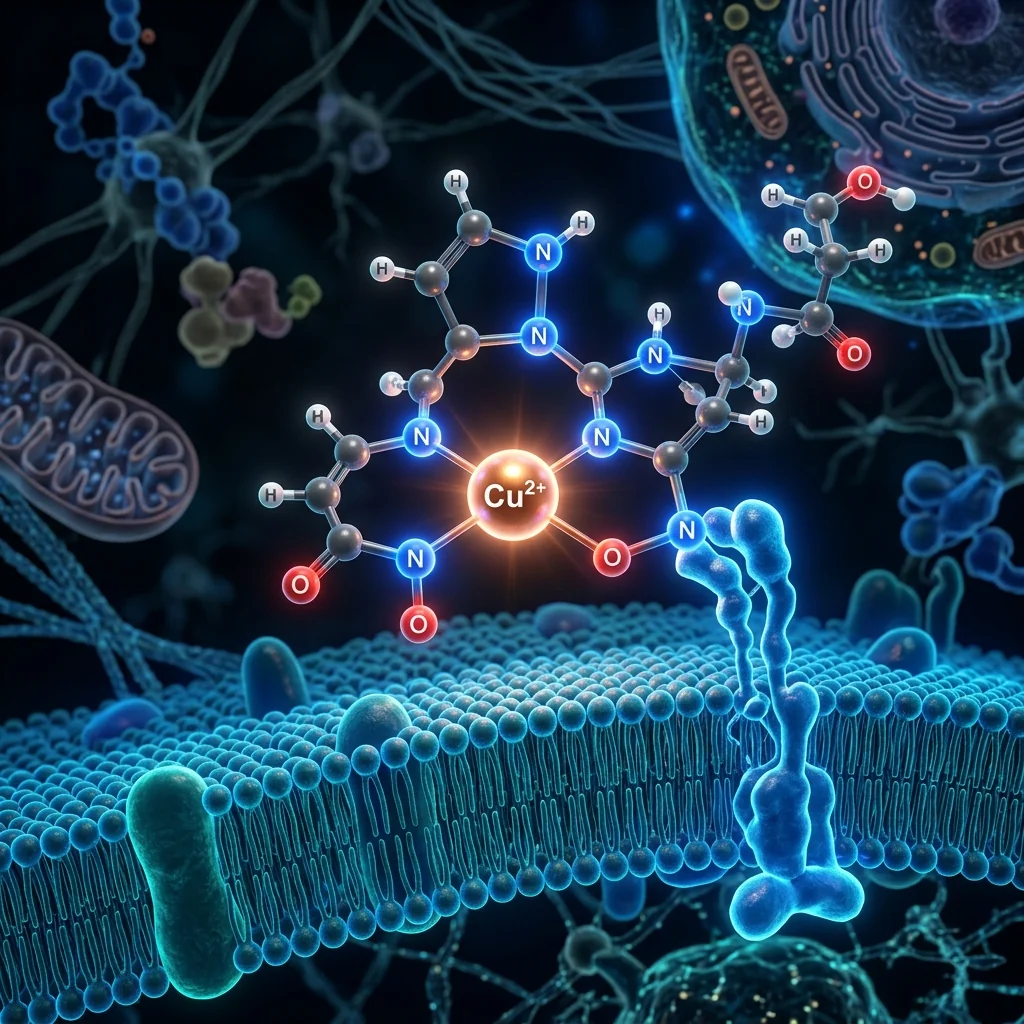
NAD+ occupies a different structural category from most compounds in a research peptide catalog. Where peptides like GHK-Cu or BPC-157 are chains of amino acids joined by peptide bonds, NAD+ is a nucleotide-based coenzyme with an entirely different biosynthetic origin and a distinct set of handling sensitivities. Understanding that structural distinction up front is useful context for the rest of this guide, since it explains why NAD+'s research applications — cellular energy metabolism, DNA repair, sirtuin biology — sit in a different experimental domain than the tissue-repair and receptor-agonist compounds more commonly discussed in peptide research literature.
NAD+ is a dinucleotide — a molecule built from two nucleotides joined through their phosphate groups, one carrying an adenine base and the other a nicotinamide group. This structure gives it a molecular weight of approximately 663.43 g/mol and, critically, a nicotinamide ring capable of accepting and donating electrons. That redox chemistry is the entire basis of NAD+'s biological function: it cycles between its oxidized form (NAD+) and reduced form (NADH), shuttling electrons through the core metabolic pathways of glycolysis, the citric acid cycle, and oxidative phosphorylation. Every cell in the human body depends on this cycling to convert nutrients into ATP, which is why NAD+ is frequently described in the literature as sitting at the metabolic core of the cell rather than at its periphery.
The Sirtuin Pathway: How NAD+ Regulates Cellular Aging Research Models
Sirtuins (SIRT1 through SIRT7 in mammals) are a family of enzymes that regulate gene expression, mitochondrial biogenesis, and cellular stress resistance by removing acetyl groups from target proteins — a reaction category known as deacetylation. What makes sirtuins mechanistically distinct from most other deacetylases is that they cannot function without NAD+: it is consumed stoichiometrically as a substrate in the deacetylation reaction, not merely used as a helper cofactor. This obligate dependency, first characterized in foundational work by Imai and Guarente and substantially expanded in the two decades since, is what directly ties cellular NAD+ availability to sirtuin activity. When NAD+ levels fall, sirtuin-mediated regulatory processes are correspondingly constrained, which is the central mechanistic link researchers investigate when studying NAD+ decline as a driver of age-related cellular dysfunction.
NAD+ and Mitochondrial Function: ATP Production and the Electron Transport Chain
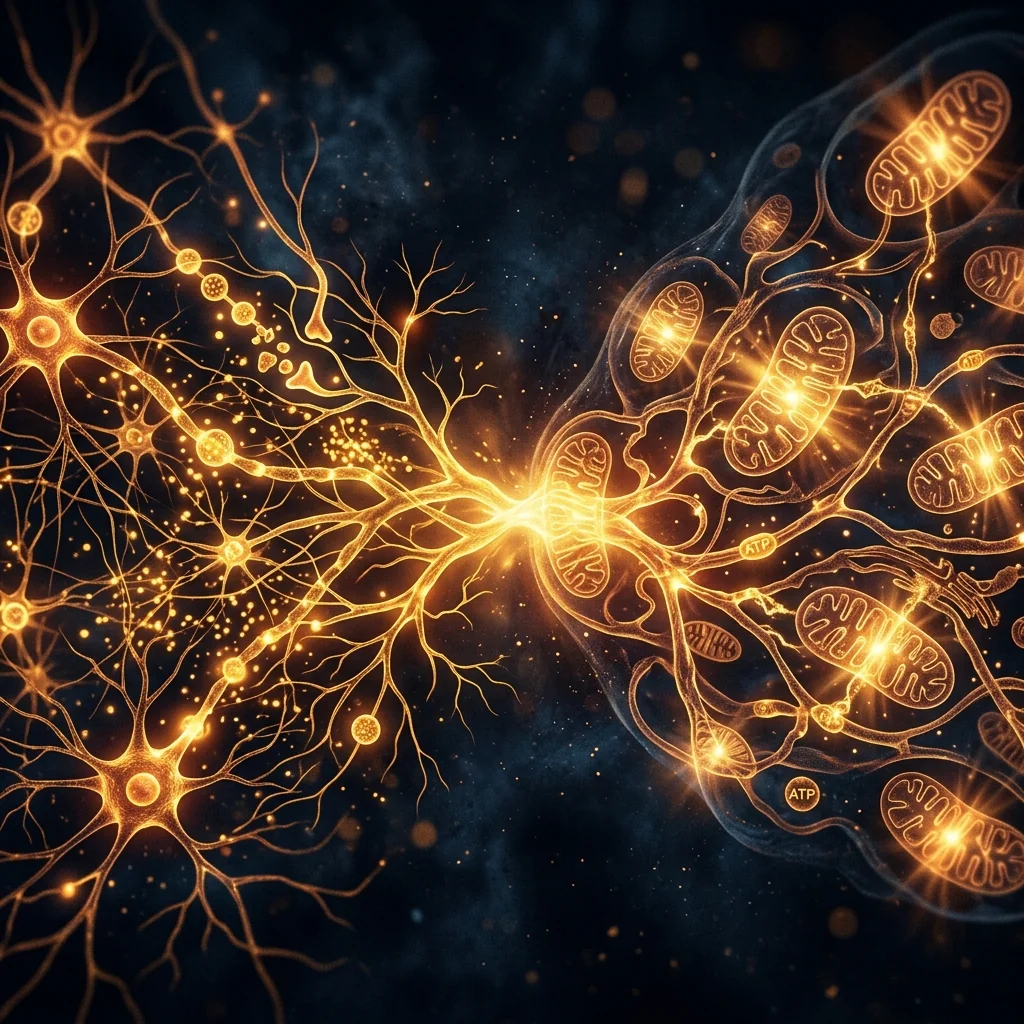
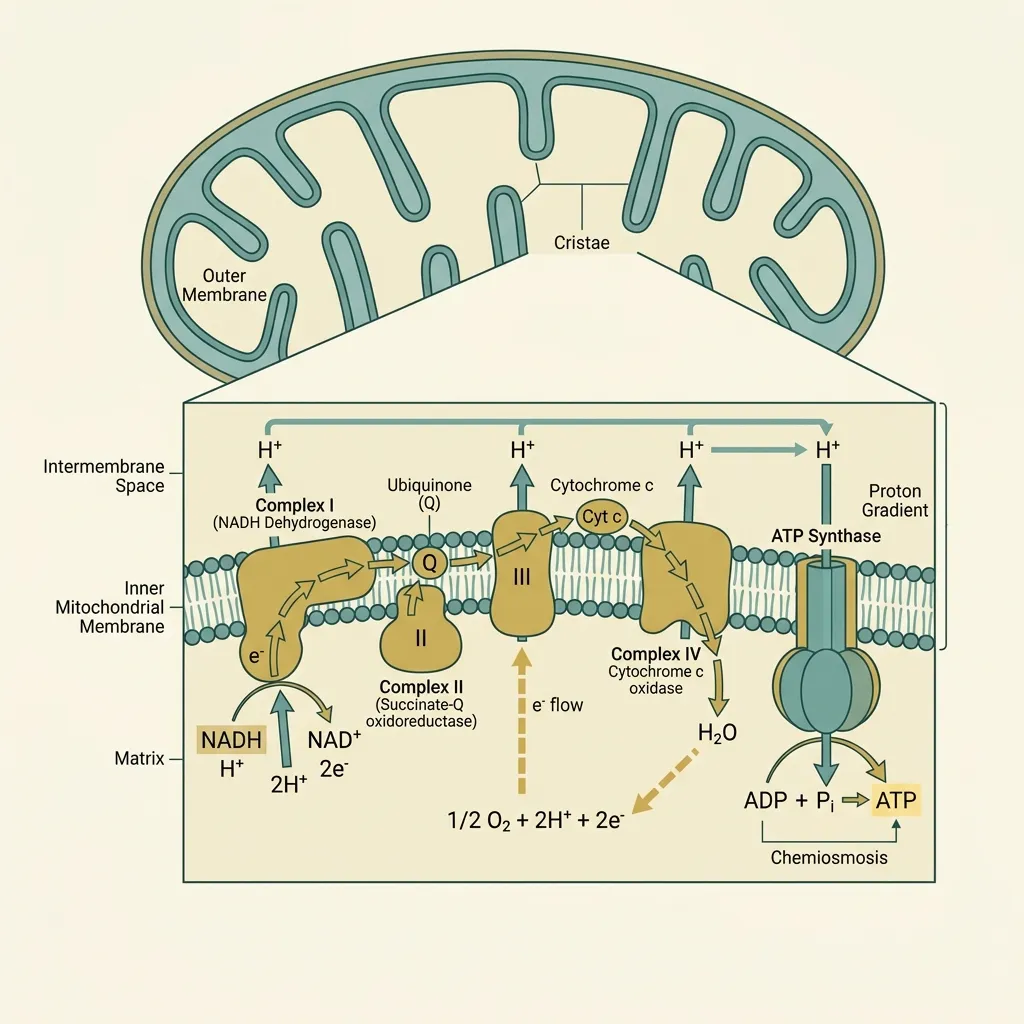
Beyond its role as an enzyme substrate, NAD+ is directly mechanically involved in mitochondrial energy production. As NADH, its reduced form donates electrons to Complex I of the electron transport chain embedded in the mitochondrial inner membrane, initiating the proton-pumping cascade that ultimately drives ATP synthase. Efficient NAD+/NADH cycling is therefore not merely correlated with healthy mitochondrial function — it is mechanistically required for it. Research models studying mitochondrial dysfunction, whether in the context of aging, metabolic disease, or exercise physiology, consistently examine NAD+/NADH ratios as a proxy for overall bioenergetic health, since a depleted or imbalanced ratio directly constrains the electron transport chain's capacity to generate ATP.
NAD+ Decline: What the Research Shows About Age-Related Depletion
A substantial body of published research has documented that tissue NAD+ levels decline with age across multiple species and tissue types. Three mechanisms are most frequently cited to explain this decline. First, biosynthesis of NAD+ through the salvage pathway (which recycles nicotinamide back into NAD+) appears to become less efficient with age. Second, PARP enzymes — activated in response to accumulated DNA damage, which itself increases with age — consume NAD+ as a substrate, and higher lifetime DNA damage burden translates into higher cumulative PARP-driven NAD+ consumption. Third, CD38, an NAD+-consuming enzyme, increases in activity with age and with chronic low-grade inflammation, further depleting the available cellular pool. Together, these three mechanisms — reduced synthesis, increased PARP consumption, and increased CD38 consumption — form the current framework researchers use to explain why NAD+ levels are not static across the lifespan, and why this decline has become a central variable in cellular aging research models.
NAD+ vs. NMN vs. NR: Precursor vs. Direct Administration in Research Models
NAD+ is the complete, biologically active molecule. NMN (nicotinamide mononucleotide) and NR (nicotinamide riboside) are both smaller precursor molecules that cells convert into NAD+ through distinct enzymatic salvage pathways rather than acting as NAD+ themselves. This distinction has real experimental consequences: administering a precursor compound introduces cellular uptake efficiency and salvage-pathway conversion capacity as additional variables between the administered substance and the final intracellular NAD+ level, and these variables can differ meaningfully across tissue types and experimental models. Direct NAD+ administration bypasses that conversion step entirely, which is why researchers designing protocols specifically intended to isolate NAD+-dependent processes — rather than to study precursor uptake and conversion efficiency as their own research question — often select direct NAD+ over a precursor compound.
| Compound | Form | Research Relevance |
|---|---|---|
| NAD+ | Complete, active coenzyme | Direct study of NAD+-dependent pathways without a conversion variable |
| NMN | Precursor, one enzymatic step from NAD+ | Study of the NMN-to-NAD+ salvage pathway and its uptake kinetics |
| NR | Precursor, two enzymatic steps from NAD+ | Study of an alternate salvage pathway entry point and its conversion efficiency |
PARP Enzymes, DNA Repair, and NAD+ Consumption
PARP (poly-ADP-ribose polymerase) enzymes are activated by single- and double-strand DNA breaks and use NAD+ as a substrate to synthesize poly-ADP-ribose chains, a critical early step in recruiting the broader DNA repair machinery to the damage site. Because this consumption draws from the same finite cellular NAD+ pool that sirtuins depend on, elevated DNA damage — and the corresponding rise in PARP activity — can competitively deplete the NAD+ available for sirtuin-mediated regulatory processes. This creates a documented mechanistic tension in the research literature: the same molecule that powers DNA repair also powers the regulatory pathways associated with mitochondrial biogenesis and cellular stress resistance, and a cell under high genotoxic stress may face a genuine resource competition between the two.
Research Applications: Cellular Senescence, Metabolic Studies, and Exercise Physiology
NAD+ research currently spans several distinct experimental domains. In cellular senescence research, NAD+ levels and sirtuin activity are studied as biomarkers and potential modulators of the senescent phenotype. In mitochondrial bioenergetics research, NAD+/NADH ratios are used to characterize electron transport chain efficiency and overall cellular energy status. In exercise physiology research, NAD+ metabolism is studied in the context of exercise-induced mitochondrial biogenesis, given that physical activity is one of the most consistently reported physiological stimuli associated with increased NAD+ salvage pathway activity in published models. Each of these research domains draws on the same underlying coenzyme biology but asks a different question of it, which is why experimental design — choice of model, timepoint, and measurement method — varies considerably across NAD+ studies despite the shared molecular target.
Timepoint Sensitivity: Why NAD+ Measurement Timing Matters
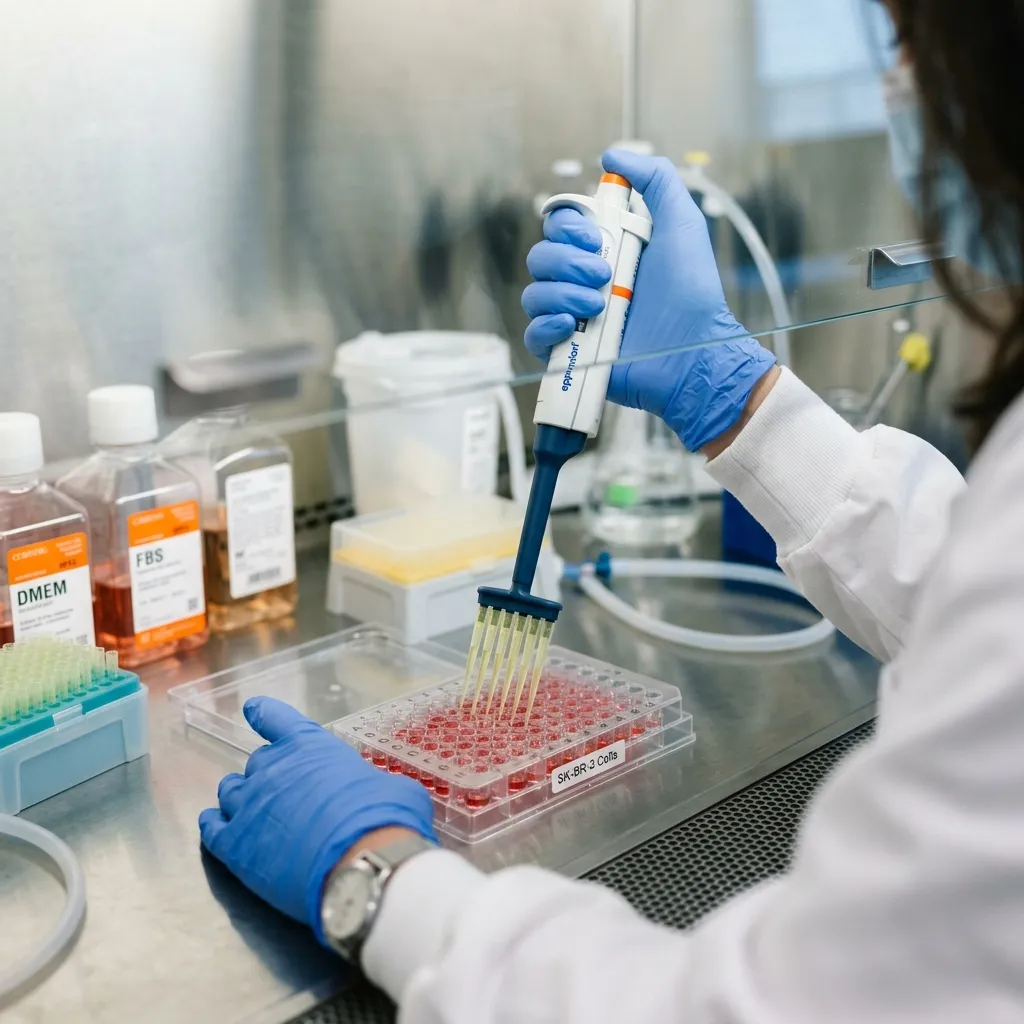
NAD+ and NADH levels are not static within a single experimental session — they fluctuate with feeding state, circadian phase, and recent metabolic activity in the research model. Published research has documented circadian oscillation in NAD+ biosynthesis enzyme expression, meaning a measurement taken at one time of day can differ meaningfully from a measurement taken twelve hours later in the same model, independent of any experimental intervention. This is a frequently underestimated source of variance in NAD+ research: two cohorts measured at different times of day, or fed on different schedules prior to sampling, can show a difference in NAD+ levels that has nothing to do with the compound or intervention under study. Standardizing feeding schedule and sampling time-of-day across a full cohort is accordingly one of the higher-value, lower-cost steps a research team can take to protect the reliability of NAD+-related outcome data.
Purity and Sourcing Standards for Research-Grade NAD+
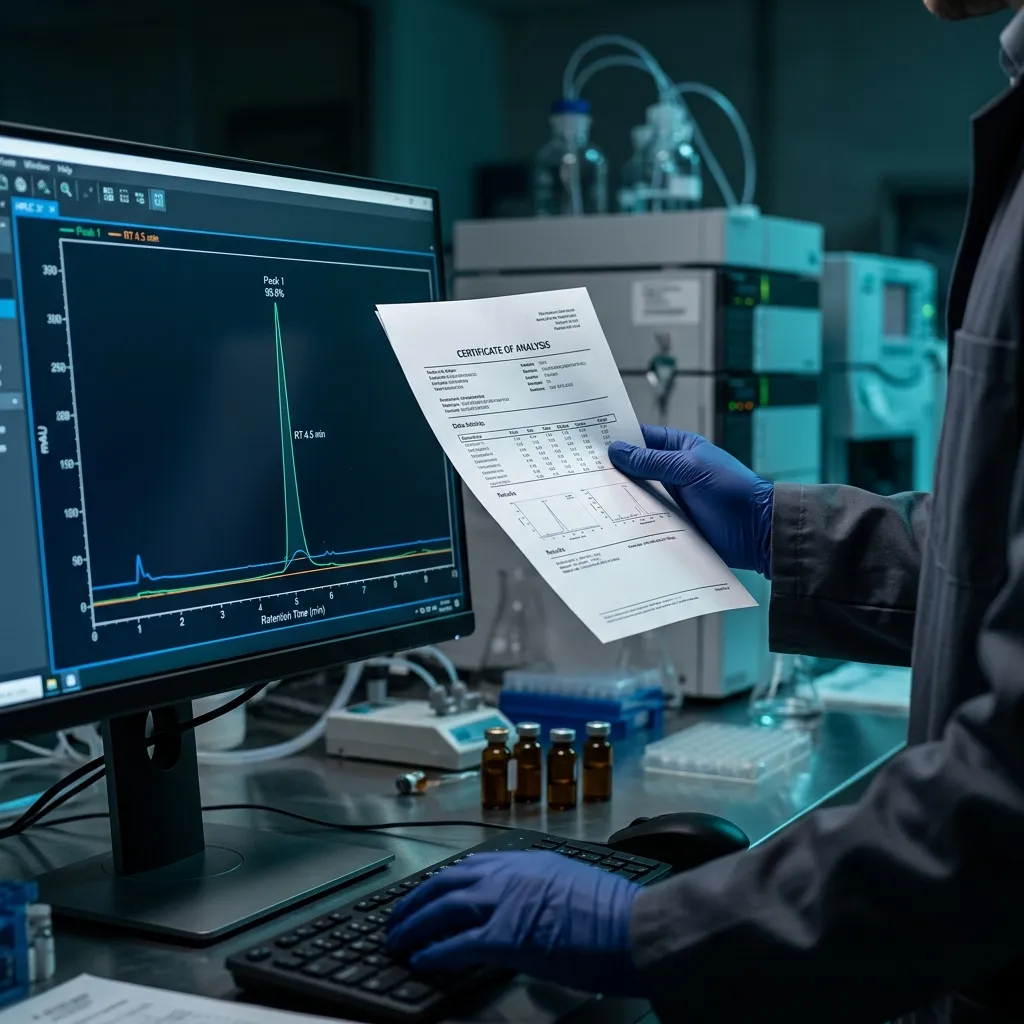
As a redox-active small molecule rather than a synthesized amino acid chain, NAD+ carries a different purity risk profile than peptide compounds, but the verification principle is identical: researchers should require independent third-party HPLC testing to confirm purity, with mass spectrometry confirming molecular identity against the theoretical molecular weight of approximately 663.43 g/mol. Degraded or impure NAD+ can introduce inactive byproducts into sensitive redox and enzymatic assays, producing results that reflect contamination rather than genuine biological response. A lot-specific Certificate of Analysis should accompany every batch — see our full guide to reading a Certificate of Analysis for what this documentation should contain.
Reconstitution and Storage Considerations for NAD+
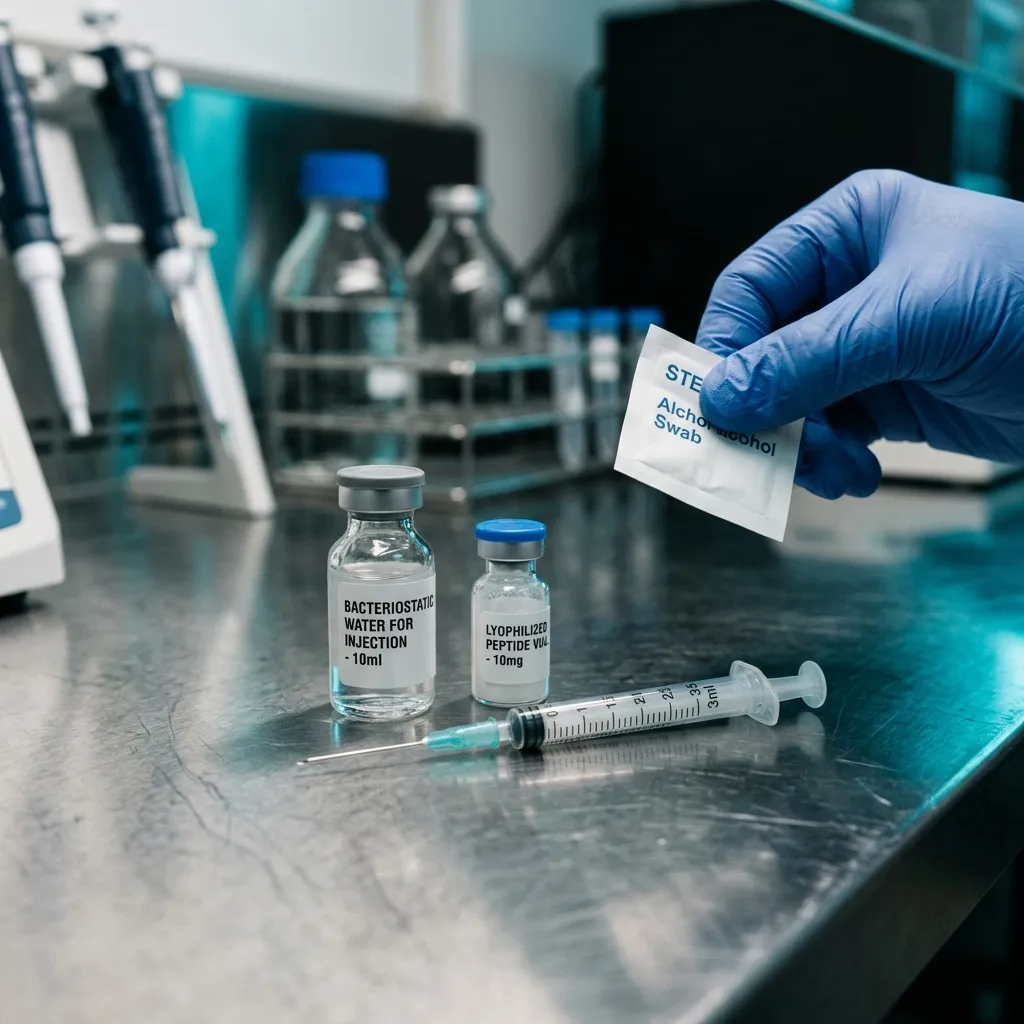
NAD+ is particularly sensitive to light exposure, pH extremes, and elevated temperature, all of which accelerate its degradation into biologically inactive byproducts — making cold, dark storage and minimization of freeze-thaw cycling especially important relative to some more chemically stable short-chain peptides. Standard handling follows the same core protocol as other lyophilized research compounds: reconstitute with bacteriostatic water using a gentle technique, avoid vigorous shaking, and refrigerate the reconstituted solution at 2-8°C, protected from light. Lyophilized NAD+ should be stored frozen at -20°C until ready for use. See our full Peptide Reconstitution & Storage Guide for the complete step-by-step protocol, and our Peptide Reconstitution Calculator for concentration calculations.
NAD+ and Exercise-Mimetic Mitochondrial Research: An Open Comparison
Because NAD+ sits directly upstream of mitochondrial energy metabolism, its research applications frequently intersect with — but are mechanistically distinct from — other mitochondrial-signaling research compounds. MOTS-C, for example, is a mitochondrial-derived peptide studied for its AMPK-activating, exercise-mimetic properties, while NAD+ acts further upstream as the coenzyme substrate that mitochondrial energy metabolism depends on in the first place. Researchers studying mitochondrial biology sometimes design comparative or combinatorial protocols examining both compounds side by side, since one addresses substrate-level energy metabolism (NAD+) and the other addresses a specific downstream signaling pathway (MOTS-C/AMPK) — two related but non-redundant angles on the same broader mitochondrial dysfunction research question.
Open Questions in the Precursor Literature
Despite substantial research interest, several questions in the NAD+ precursor literature remain genuinely unresolved and are worth flagging for researchers designing new protocols. Tissue-specific uptake efficiency for NMN and NR is not uniform across organ systems in published animal models, meaning a precursor's effectiveness at raising NAD+ levels in one tissue does not necessarily predict its effectiveness in another. Similarly, the relative contribution of the salvage pathway versus de novo NAD+ biosynthesis (from tryptophan, via the kynurenine pathway) varies by tissue and metabolic state, and is not yet fully mapped across all research-relevant models. These open questions are part of why direct NAD+ administration remains scientifically useful even as precursor research continues to expand — it offers a way to study NAD+-dependent downstream biology without first resolving every open question about precursor conversion efficiency.
Designing an NAD+ Research Protocol
Researchers designing an NAD+ protocol should first clarify whether the research question concerns direct NAD+ effects or precursor-dependent biosynthesis — a distinction that determines whether NAD+, NMN, or NR is the appropriate compound. From there, model selection (in-vitro, ex-vivo, or in-vivo), outcome measurement (direct NAD+/NADH quantification, sirtuin activity assays, or downstream mitochondrial function markers), and timepoint selection should all be defined before administration begins, given how sensitive NAD+ measurements can be to handling and timing variability. As with any research compound, documenting batch-level COA data alongside experimental results creates an audit trail that separates genuine biological findings from raw-material variability.
The Looksmaxxing Lab supplies research-grade NAD+ synthesized and verified to the same standard as every compound in our catalog, with independent third-party HPLC and mass spectrometry testing and lot-specific COA documentation available in our Certificates of Analysis Library. Current availability can be viewed in our shop. All products are strictly Research Use Only.
Comprehensive Frequently Asked Questions (FAQ)
What is NAD+ and why is it essential to cellular metabolism?
NAD+ (nicotinamide adenine dinucleotide) is a coenzyme found in every living cell, functioning as a critical electron carrier in redox reactions. It is required for glycolysis, the citric acid cycle, and oxidative phosphorylation — the core metabolic pathways that convert nutrients into usable cellular energy (ATP). Beyond energy metabolism, NAD+ serves as an essential substrate for two major classes of regulatory enzymes: sirtuins and PARPs, both of which are central to current cellular aging and DNA repair research.
What is the sirtuin pathway and how does NAD+ regulate it?
Sirtuins are a family of NAD+-dependent deacetylase enzymes (SIRT1 through SIRT7 in mammals) that regulate gene expression, mitochondrial biogenesis, and cellular stress resistance by removing acetyl groups from target proteins. Because sirtuins strictly require NAD+ as a cofactor to catalyze this reaction, cellular NAD+ availability directly limits sirtuin activity — a relationship first characterized in the foundational work of Imai and Guarente and expanded extensively in subsequent research.
How does NAD+ relate to mitochondrial ATP production?
NAD+ and its reduced form, NADH, shuttle electrons through the electron transport chain in the mitochondrial inner membrane, a process essential to oxidative phosphorylation and ATP synthesis. Adequate NAD+/NADH cycling is required for mitochondria to efficiently convert nutrient-derived electrons into the proton gradient that drives ATP synthase, making NAD+ availability a rate-limiting factor in cellular energy production research models.
Why does NAD+ decline with age in research models?
Published research has documented age-associated decline in tissue NAD+ levels across multiple species, attributed to a combination of reduced biosynthesis, increased consumption by PARP enzymes responding to accumulated DNA damage, and elevated activity of CD38, an NAD+-consuming enzyme that increases with age and chronic low-grade inflammation. This decline is a central mechanism investigated in current cellular senescence and mitochondrial dysfunction research.
What's the difference between NAD+, NMN, and NR?
NAD+ is the complete, biologically active coenzyme. NMN (nicotinamide mononucleotide) and NR (nicotinamide riboside) are both smaller precursor molecules that cells convert into NAD+ through distinct enzymatic salvage pathways. Direct NAD+ administration delivers the complete molecule, while NMN and NR rely on cellular uptake and conversion machinery, a distinction that materially affects experimental design when researchers are isolating direct NAD+ effects from precursor-dependent biosynthesis pathways.
Why might researchers choose direct NAD+ administration over precursor compounds like NMN or NR?
Direct NAD+ administration bypasses the cellular conversion step entirely, which is useful for research protocols specifically designed to study NAD+-dependent processes without the additional variable of precursor uptake and salvage pathway efficiency, which can differ meaningfully between tissue types and experimental models.
How do PARP enzymes consume NAD+ and what does that mean for DNA repair research?
PARP (poly-ADP-ribose polymerase) enzymes use NAD+ as a substrate to synthesize poly-ADP-ribose chains in response to DNA strand breaks, a critical step in the DNA damage response. Because this consumption draws directly from the same cellular NAD+ pool used by sirtuins, elevated DNA damage and associated PARP activity can competitively deplete NAD+ availability for sirtuin-mediated processes — a documented mechanistic link between DNA repair burden and broader cellular aging research.
What experimental models are commonly used to study NAD+?
NAD+ research spans in-vitro cell culture models examining mitochondrial function and sirtuin activation, ex-vivo tissue models studying age-related NAD+ decline, and in-vivo models investigating exercise physiology, metabolic rate, and cellular senescence markers. The specific model chosen depends on whether the research question concerns direct biochemical mechanism, tissue-level physiology, or systemic metabolic outcomes.
What is the molecular structure of NAD+?
NAD+ is a dinucleotide, meaning it is composed of two nucleotides joined through their phosphate groups: one nucleotide contains an adenine base, and the other contains a nicotinamide group. This structure gives NAD+ its molecular weight of approximately 663.43 g/mol and its characteristic redox-active nicotinamide ring, which is the site of electron transfer in NAD+/NADH cycling.
How is NAD+ purity verified for research use?
As with peptide compounds, research-grade NAD+ should be verified via independent third-party HPLC testing to confirm purity, with mass spectrometry confirming molecular identity against the theoretical molecular weight. A lot-specific Certificate of Analysis documenting both results should accompany every batch, since degraded or impure NAD+ can introduce confounding byproducts into sensitive redox and enzymatic assays.
How should NAD+ be reconstituted and stored?
NAD+ follows the same fundamental handling principles as other lyophilized research compounds: reconstitute with bacteriostatic water using a gentle technique, avoid vigorous shaking, and refrigerate the reconstituted solution at 2-8°C, protected from light. Lyophilized NAD+ should be stored frozen at -20°C for long-term stability. See our full Peptide Reconstitution & Storage Guide for the complete protocol.
Is NAD+ stable in solution compared to shorter research peptides?
NAD+ is a redox-active molecule and is particularly sensitive to light exposure, pH extremes, and elevated temperature, all of which can accelerate its degradation to biologically inactive byproducts. This sensitivity makes cold, dark storage and minimizing freeze-thaw cycling especially important compared to some more chemically stable short-chain peptides.
Does NAD+ require a prescription to purchase for research purposes?
No. The NAD+ offered by The Looksmaxxing Lab is classified strictly as a Research Use Only (RUO) laboratory reagent. It is not an FDA-approved therapeutic product, is not for human consumption, and does not require a prescription for qualified researchers procuring it for laboratory use.
What research applications is NAD+ most commonly used for?
Current research applications span cellular senescence and biological aging models, mitochondrial function and bioenergetics studies, exercise physiology and metabolic rate research, and investigations into the interplay between DNA damage response (via PARP) and sirtuin-mediated longevity pathways.
Where can researchers verify the purity of The Looksmaxxing Lab's NAD+?
Every production batch of our NAD+ is tested by an independent, third-party US laboratory using HPLC and mass spectrometry. Lot-specific, downloadable Certificate of Analysis documentation is publicly available in our COA Library.