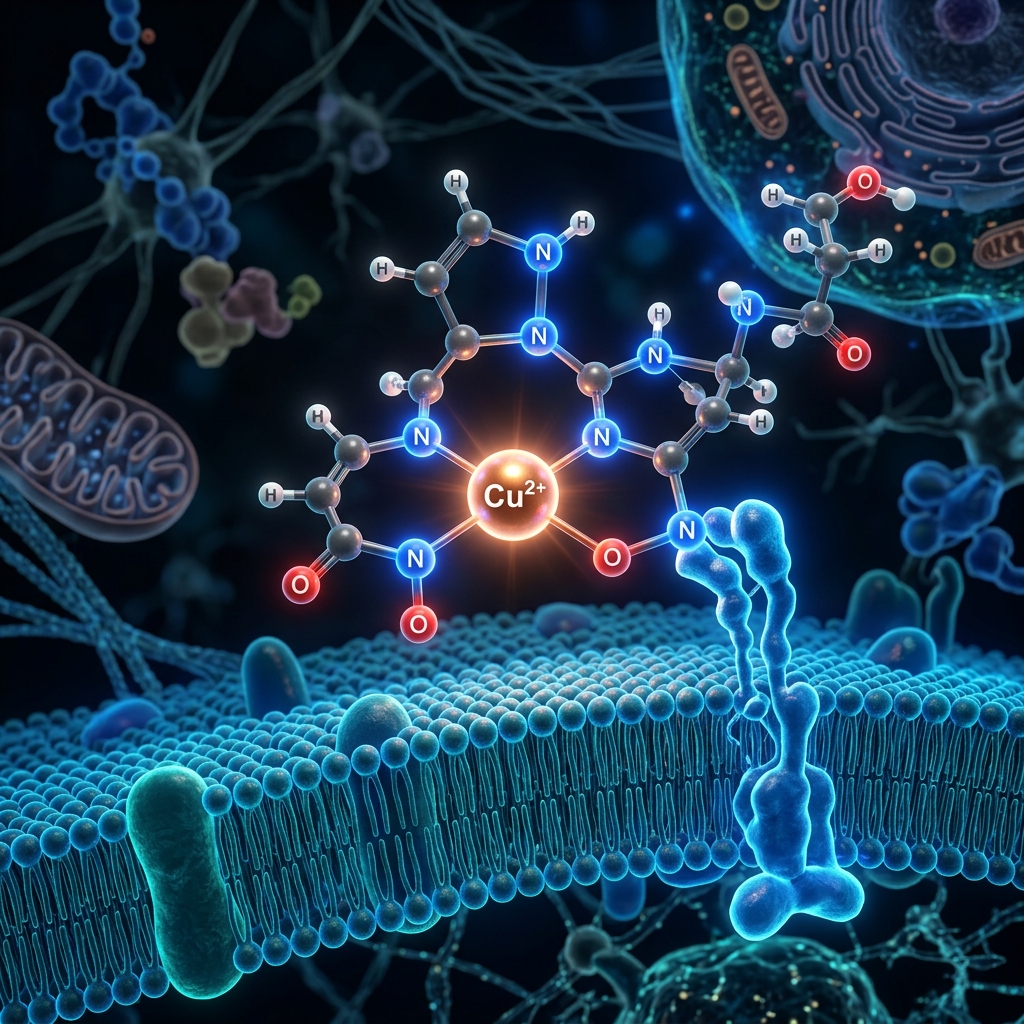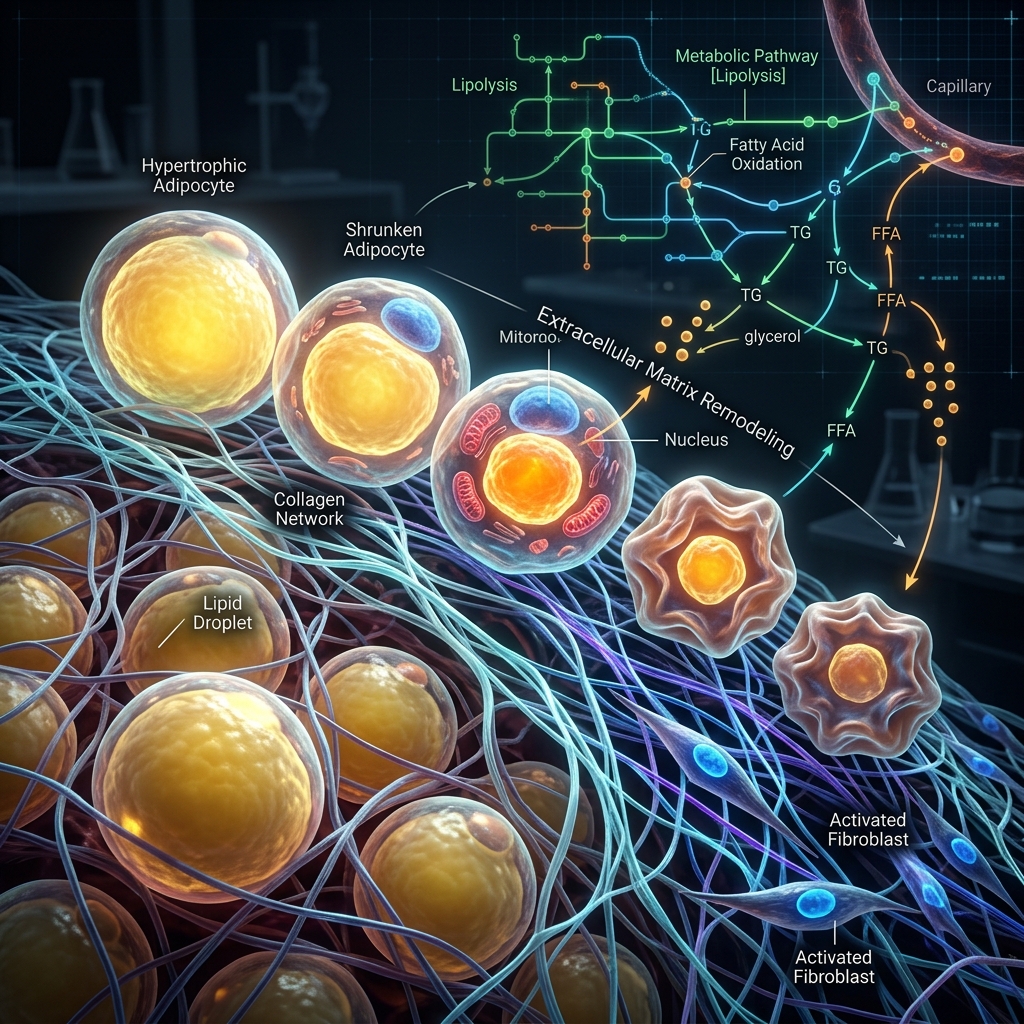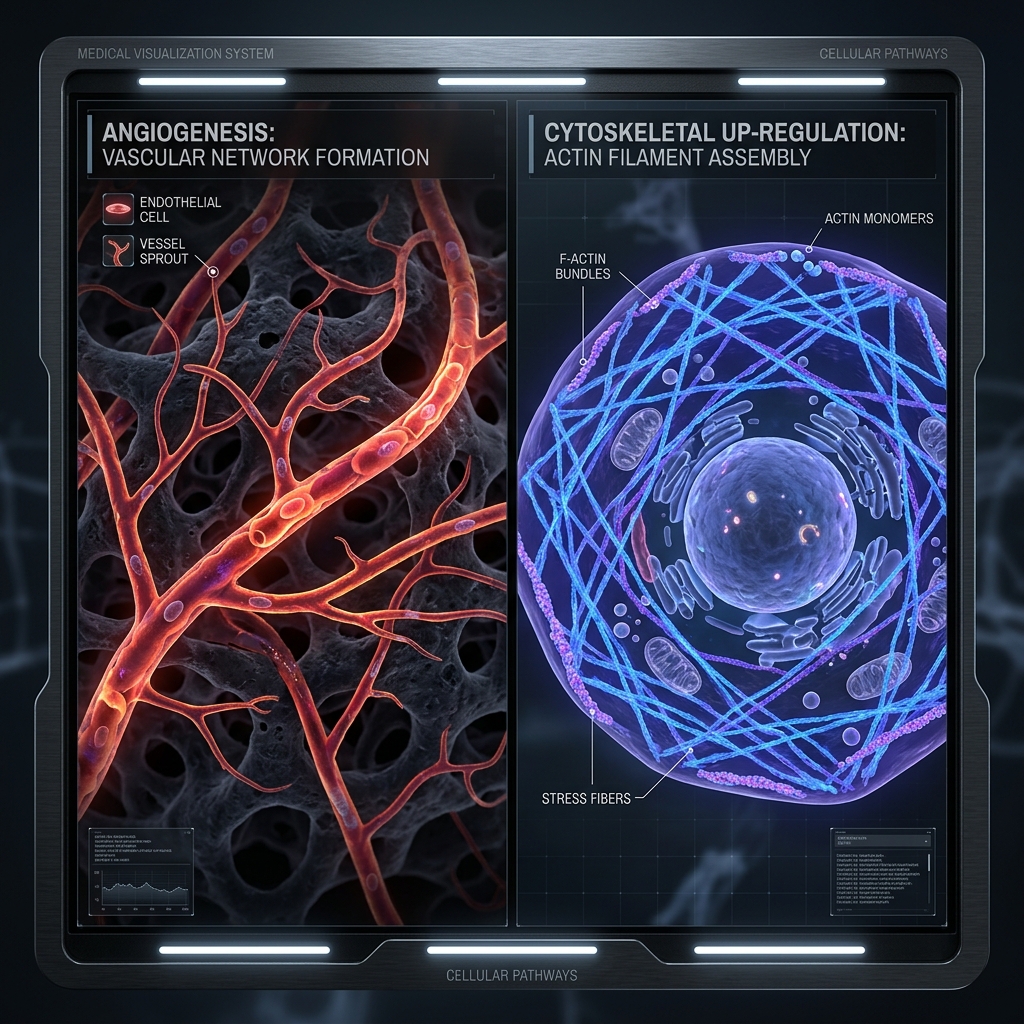
BPC-157 vs. TB-500: Analyzing Angiogenesis and Cellular Healing Mechanisms
In the rapidly expanding, highly technical field of regenerative cellular biology and tissue engineering, few compounds have garnered as much intense academic and independent research interest as the pentadecapeptide BPC-157 and the synthetic fraction of Thymosin Beta-4, known as TB-500.
When researchers design in-vitro or in-vivo models to study accelerated tissue repair—whether exploring muscular hyper-recovery, severe tendon and ligament tears, fibroblast migration, or systemic anti-inflammatory cascades—these two peptides are almost universally utilized. However, despite frequently being researched in tandem in "stacking" protocols, they operate through completely distinct, highly specific molecular pathways that researchers must understand to design effective experiments.
BPC-157: The Angiogenic Mastermind
BPC-157 (Body Protection Compound 157) is a synthetic, 15-amino acid sequence (a pentadecapeptide) that is partially derived from a protective protein naturally found in human gastric juice. While its biological origins are gastrointestinal—explaining its profound efficacy in models studying Inflammatory Bowel Disease (IBD) and gastric ulcer healing—its modern application in research models focuses heavily on systemic soft tissue repair, notably tendons, ligaments, and the central nervous system.
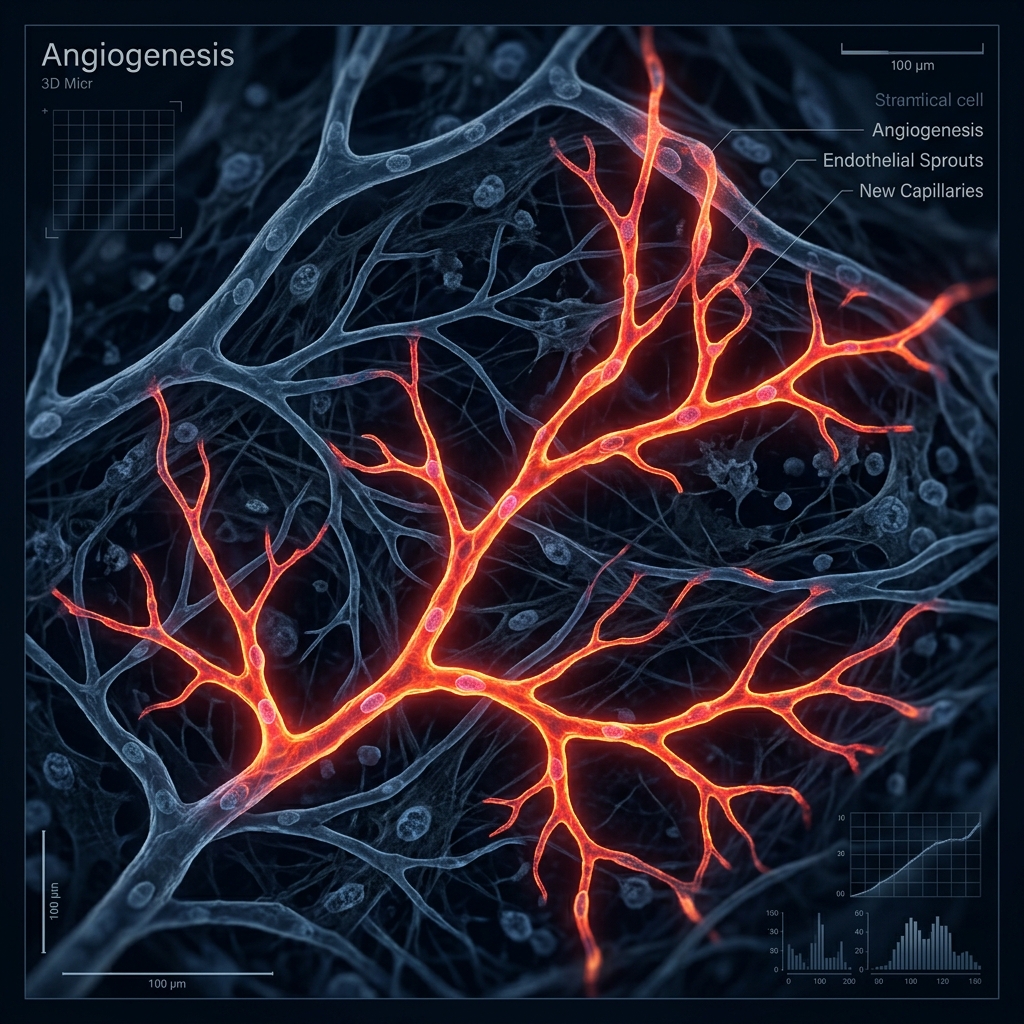
The primary healing vector of BPC-157 in laboratory models is angiogenesis—the physiological process through which new blood vessels form from pre-existing vessels. Tissue ischemia (a lack of blood flow and oxygen) is the primary reason avascular tissues like tendons and ligaments heal at a fraction of the speed of highly vascularized muscle tissue.
When BPC-157 is introduced to an ischemic tissue model (such as a severed Achilles tendon model), it rapidly up-regulates the expression of Vascular Endothelial Growth Factor (VEGF). This critical signaling protein stimulates the massive proliferation and migration of endothelial cells, rapidly forming dense new capillary networks. This new vascular infrastructure floods the damaged area with the oxygen and nutrients required for fibroblasts to deposit new collagen. Furthermore, BPC-157 has been shown to directly increase the survival rate of cells under extreme oxidative stress.
TB-500: The Actin Architect
TB-500 is a synthetic version of the active region (residues 17-23) of Thymosin Beta-4, a naturally occurring, highly conserved water-soluble regenerative peptide found in high concentrations in blood platelets, wound fluid, and various tissues throughout the mammalian body.
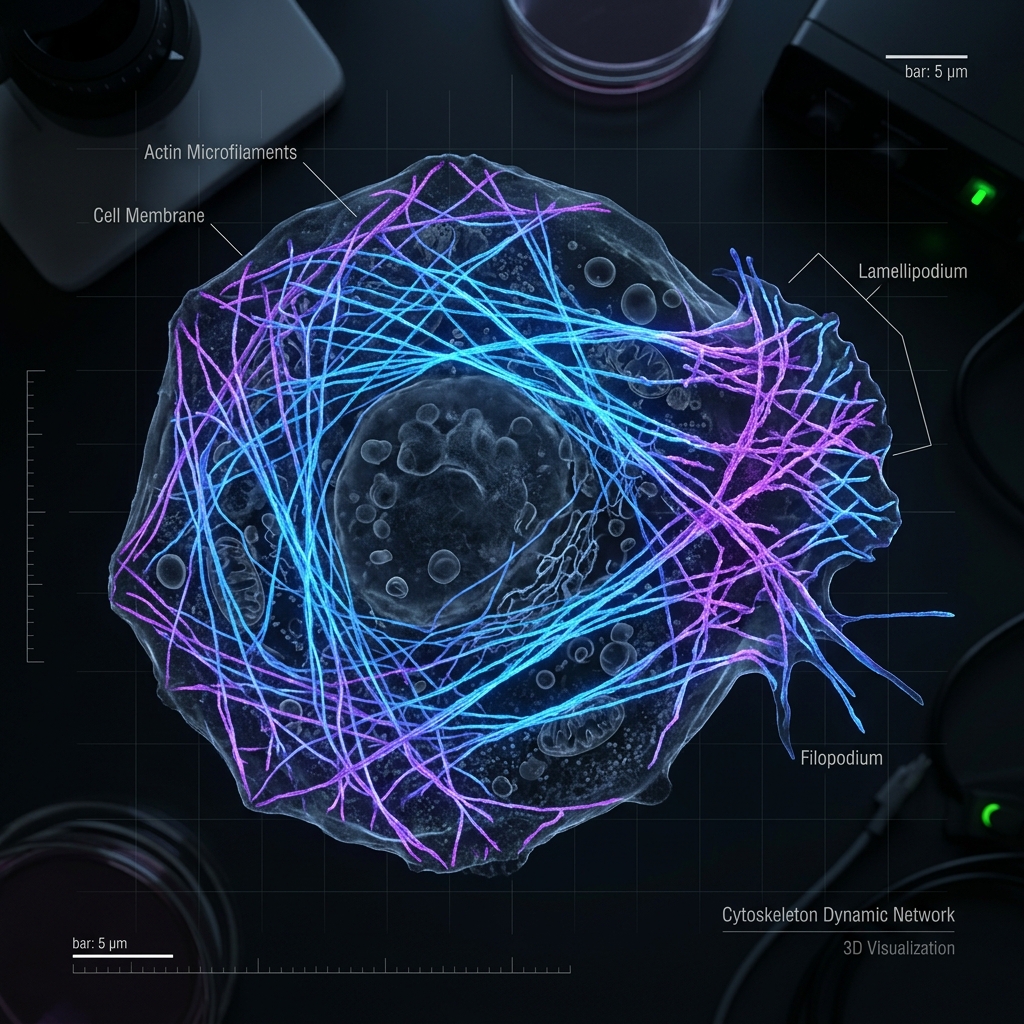
Unlike BPC-157, which relies heavily on building new blood supplies extracellularly, TB-500 operates intracellularly by profoundly altering the structural dynamics of the cell itself. The primary molecular function of TB-500 is actin up-regulation and sequestration. Actin is a vital cellular protein that forms microfilaments—the essential building blocks of the cell's cytoskeleton.
In a biological model responding to trauma, repair cells (such as keratinocytes, endothelial cells, and fibroblasts) must physically travel to the wound site to begin repair. By binding to actin and altering the cytoskeleton's fluidity, TB-500 dramatically increases cellular motility. It essentially supercharges the ability of repair cells to quickly migrate across long distances within the organism to reach damaged tissue. Furthermore, TB-500 exhibits potent anti-fibrotic properties, suppressing the formation of rigid scar tissue in favor of healthy, flexible tissue regeneration—a property highly studied in cardiac repair models following myocardial infarction.
The Synergistic "Wolverine" Stack in Experimental Models
Because BPC-157 and TB-500 utilize entirely different—yet highly complementary—pathways, they are frequently studied together in multi-peptide protocols often colloquially referred to by researchers as the "Wolverine Stack," named after the comic book character's legendary healing factor.
When investigating severe soft tissue trauma, researchers observe a profound, multiplying synergistic effect when both compounds are introduced concurrently:
- TB-500 rapidly alters actin dynamics, massively increasing cellular motility and allowing millions of repair cells to migrate quickly to the site of injury.
- BPC-157 simultaneously triggers angiogenesis, building the new vascular network necessary to supply those migrating cells with oxygen, while simultaneously accelerating local tendon fibroblast outgrowth and survival.
Comprehensive Frequently Asked Questions (FAQ)
What is the main molecular difference between BPC-157 and TB-500?
BPC-157 primarily functions by up-regulating Vascular Endothelial Growth Factor (VEGF) to promote angiogenesis (the creation of new blood vessels) and accelerating tendon fibroblast outgrowth. TB-500 functions intracellularly by sequestering actin, which drastically increases cellular motility, allowing repair cells to physically migrate to the injury site faster.
Can BPC-157 and TB-500 be studied simultaneously in the same experimental model?
Yes. Because they operate on distinct, non-competing cellular pathways, they are frequently studied together in synergistic protocols to observe comprehensive soft tissue, ligament, and muscular regeneration at highly accelerated rates.
How does BPC-157 influence the healing of avascular tendons and ligaments?
Tendons and ligaments have naturally poor blood supplies, causing them to heal incredibly slowly. BPC-157's ability to trigger rapid angiogenesis creates a temporary, highly dense micro-vascular network, supplying the ischemic tissue with the oxygen and nutrients required for accelerated repair.
Why is TB-500 referred to as an 'actin up-regulator'?
TB-500 is a synthetic fraction of the naturally occurring Thymosin Beta-4. It binds to cellular actin, a protein that forms the structural cytoskeleton of a cell. By modulating actin, TB-500 changes the structural fluidity of the cell, allowing it to stretch and move rapidly (cellular motility).
Does BPC-157 have an effect on the gastrointestinal tract?
Yes. Because BPC-157 is derived from a protective gastric protein, extensive in-vitro and in-vivo research focuses on its unique ability to rapidly heal the gut endothelium, reduce gastric ulcers, and modulate the inflammatory response in conditions mimicking Inflammatory Bowel Disease (IBD) and leaky gut syndrome.
Are there cardiovascular applications for TB-500?
Research heavily investigates TB-500 for cardiac repair following ischemic events (like heart attacks in animal models). Its potent anti-fibrotic properties help prevent the formation of rigid scar tissue, preserving the vital contractile function of the cardiac muscle tissue.
How long are reconstituted BPC-157 and TB-500 stable?
Once reconstituted with Bacteriostatic Water, both BPC-157 and TB-500 must be refrigerated (2°C to 8°C) and should typically be utilized within 21 to 28 days before molecular degradation significantly impacts experimental efficacy.
Why is independent HPLC testing necessary for these specific peptides?
During the synthesis of 15-amino acid (BPC-157) or 43-amino acid (TB-4) sequences, errors can occur resulting in truncated peptides. Independent HPLC separates and quantifies the compound to ensure a ≥99% purity level, ensuring researchers are not inadvertently introducing toxic impurities into their pristine models.
Where can I verify the purity of The Looksmaxxing Lab's regenerative peptides?
Every batch is tested by an independent, third-party US laboratory. The lot-specific documentation for BPC-157, TB-500, and all other compounds is publicly available in our COA Library.
Do I need a prescription to order BPC-157 or TB-500?
No. The compounds sold by The Looksmaxxing Lab are classified strictly as Research Use Only (RUO) laboratory reagents. They are strictly not for human consumption or therapeutic use, and thus do not require a medical prescription for qualified researchers.