The Pharmacokinetics of GHK-Cu: Fibroblast Activation, Collagen Synthesis, and Clinical Implications
The tripeptide Glycyl-L-Histidyl-L-Lysine (GHK) was first isolated from human plasma in 1973 by Dr. Loren Pickart. Over the subsequent decades, this naturally occurring copper-binding peptide has become one of the most heavily researched compounds in the fields of cellular biology, regenerative medicine, tissue remodeling, and anti-aging research. In biological systems, GHK exhibits a profound and highly specific affinity for copper (Cu2+), forming the complex GHK-Cu, which acts as a fundamental signaling molecule in the extracellular matrix (ECM).
While endogenous GHK-Cu levels naturally decline with age—dropping precipitously from approximately 200 ng/mL at age 20 to around 80 ng/mL by age 60—modern in-vitro and in-vivo research has focused heavily on how exogenous application or subcutaneous introduction of high-purity GHK-Cu influences fibroblast activity, collagen synthesis, wound healing, and systemic inflammatory pathways.
The Molecular Structure of Glycyl-L-Histidyl-L-Lysine (GHK)
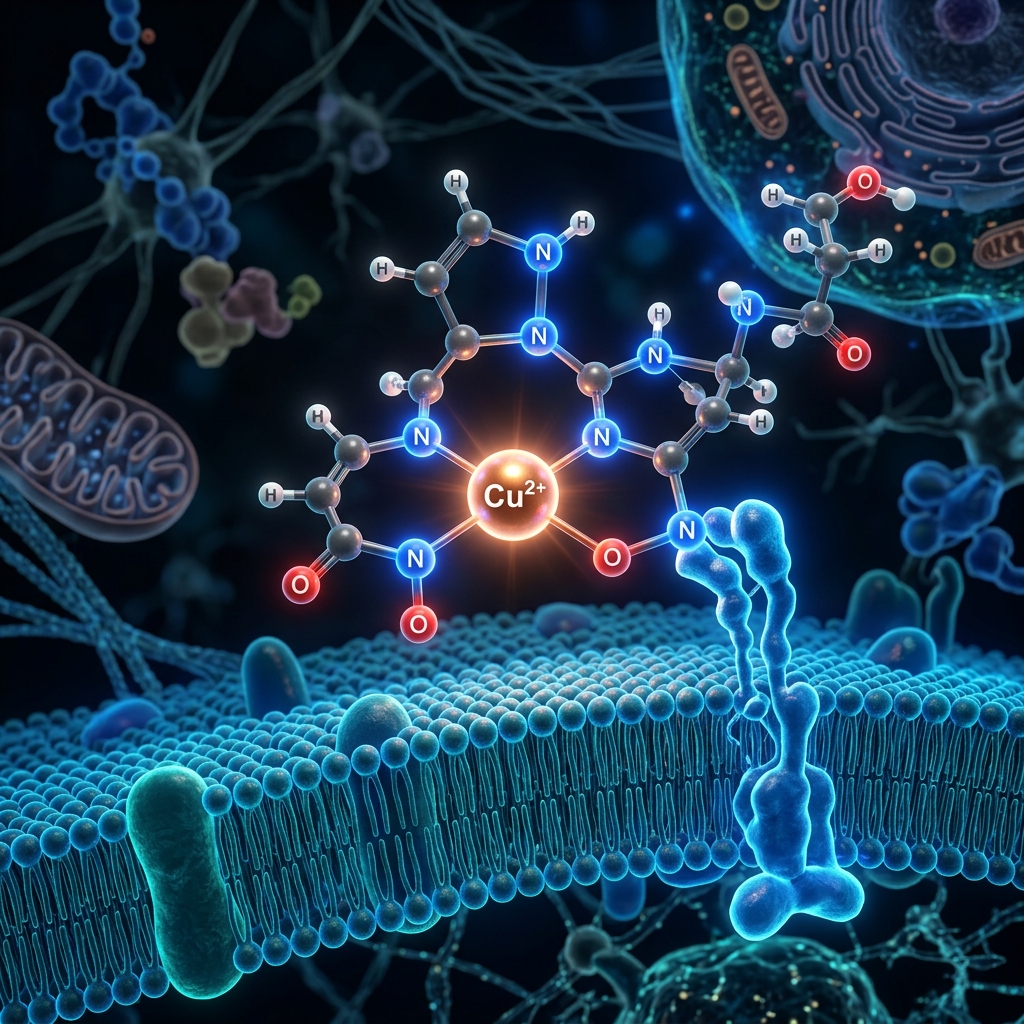
At its structural core, GHK is a tripeptide composed of three specific amino acids: glycine, histidine, and lysine. Its relatively small molecular weight (approximately 340.38 g/mol without copper, and roughly 402 g/mol when complexed with the copper ion) allows it to navigate the extracellular space with remarkably high bioavailability in experimental models. This low molecular weight is a key factor in its ability to penetrate tissue barriers and exert rapid physiological effects during in-vitro cellular assays.
However, the true biological activity and regenerative potential of GHK is fully unlocked when it chelates with copper. Copper is a vital transition metal required for the function of numerous critical enzymes, including lysyl oxidase (which is absolutely essential for the cross-linking of collagen and elastin fibers in the skin and connective tissues) and superoxide dismutase (a primary cellular antioxidant that neutralizes harmful reactive oxygen species). The GHK amino acid sequence naturally occurs in collagen proteins and is released during tissue degradation following injury. In this context, it acts as a localized "SOS signal" to initiate the cellular repair cascade, drawing repair cells to the site of trauma.
Mechanism of Action: Fibroblast Activation and Extracellular Matrix Remodeling
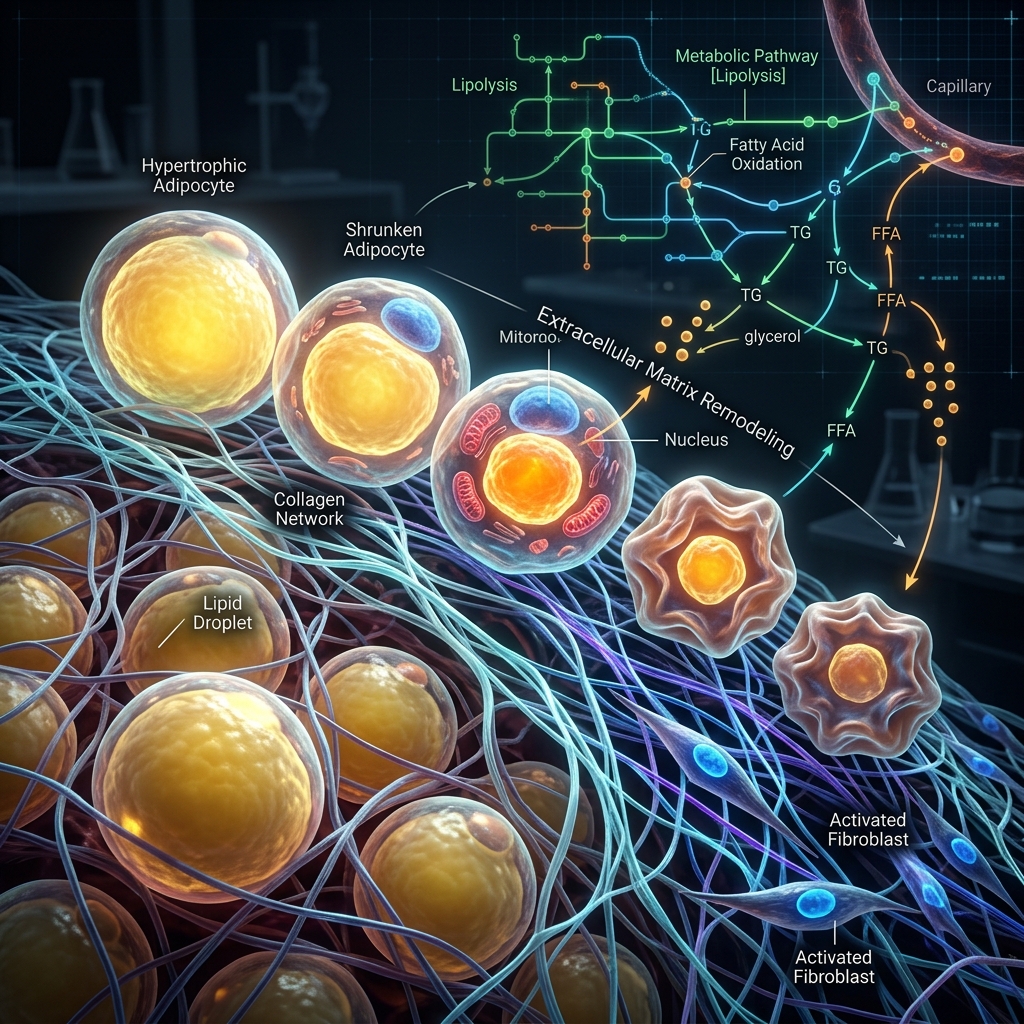
The most well-documented, heavily researched, and commercially applicable function of GHK-Cu is its profound interaction with dermal fibroblasts. Fibroblasts are the principal active cells of connective tissue, responsible for synthesizing the extracellular matrix, structural glycoproteins, and collagen. Without healthy fibroblast activity, tissue healing stagnates, and the visible signs of skin aging accelerate rapidly.
Upregulation of Collagen Type I and Type III Synthesis
Rigorous in-vitro studies and clinical biopsies consistently demonstrate that the introduction of research-grade GHK-Cu to fibroblast cultures massively stimulates the synthesis of both Type I and Type III collagen. Type I collagen provides structural integrity, rigidity, and tensile strength, while Type III collagen (often referred to in aesthetic research as "youth collagen") provides elasticity and is highly prominent in early-stage tissue repair and fetal skin development.
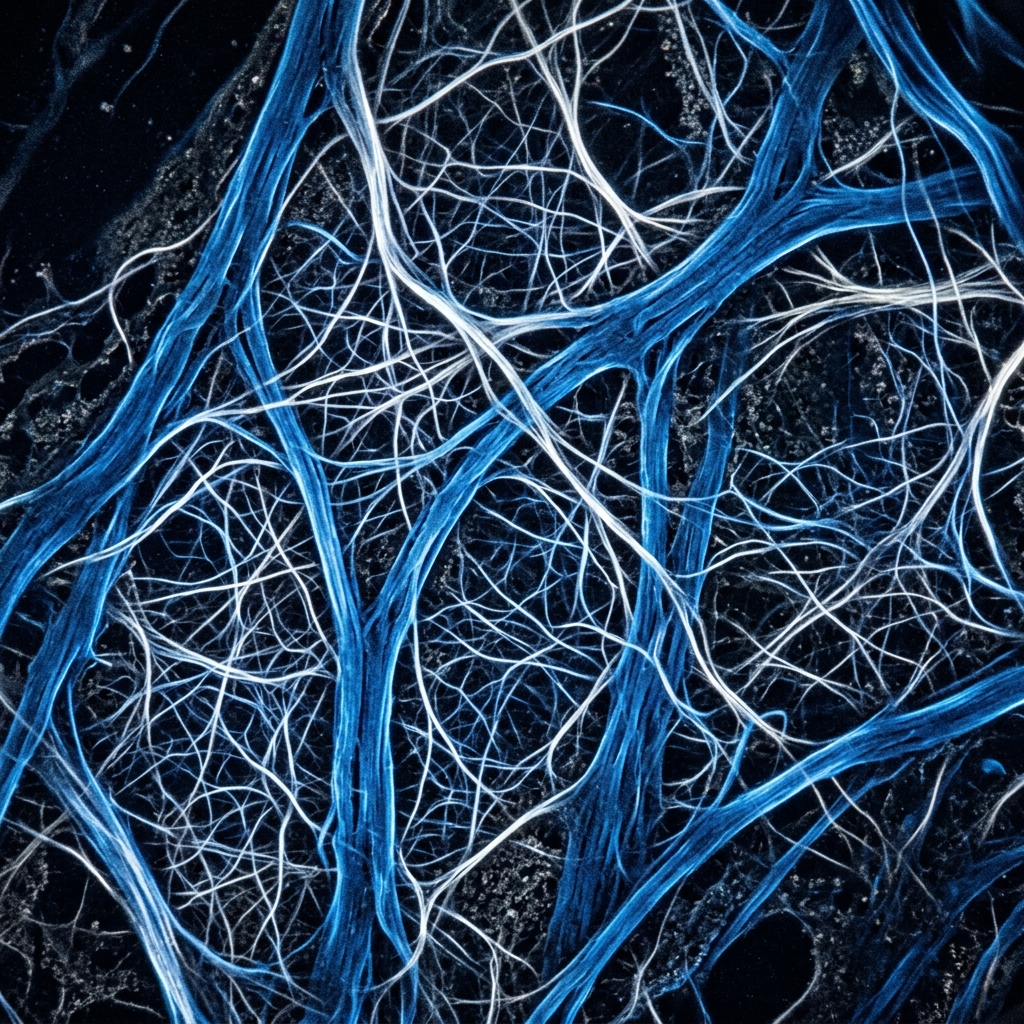
The copper peptide GHK-Cu stimulates collagen production through several interlinked, complex biochemical pathways:
- Activation of TGF-β (Transforming Growth Factor Beta): GHK-Cu modulates the TGF-β signaling pathway, a master regulator of extracellular matrix production and cellular differentiation. This leads to increased genetic transcription of collagen-producing proteins.
- Modulation of Matrix Metalloproteinases (MMPs): GHK-Cu regulates the activity of MMPs, which are specialized enzymes responsible for degrading old, damaged, or cross-linked tissue. Simultaneously, it increases the production of tissue inhibitors of metalloproteinases (TIMPs), ensuring a highly balanced tissue remodeling process where scar tissue is broken down while new, healthy collagen is laid down effectively.
- Glycosaminoglycan (GAG) Production: Beyond just structural collagen, GHK-Cu stimulates the synthesis of GAGs, such as hyaluronic acid and dermatan sulfate, which are critical for cellular hydration, turgor pressure, and extracellular matrix volume.
Angiogenesis, Microcirculation, and Hypoxia Reversal
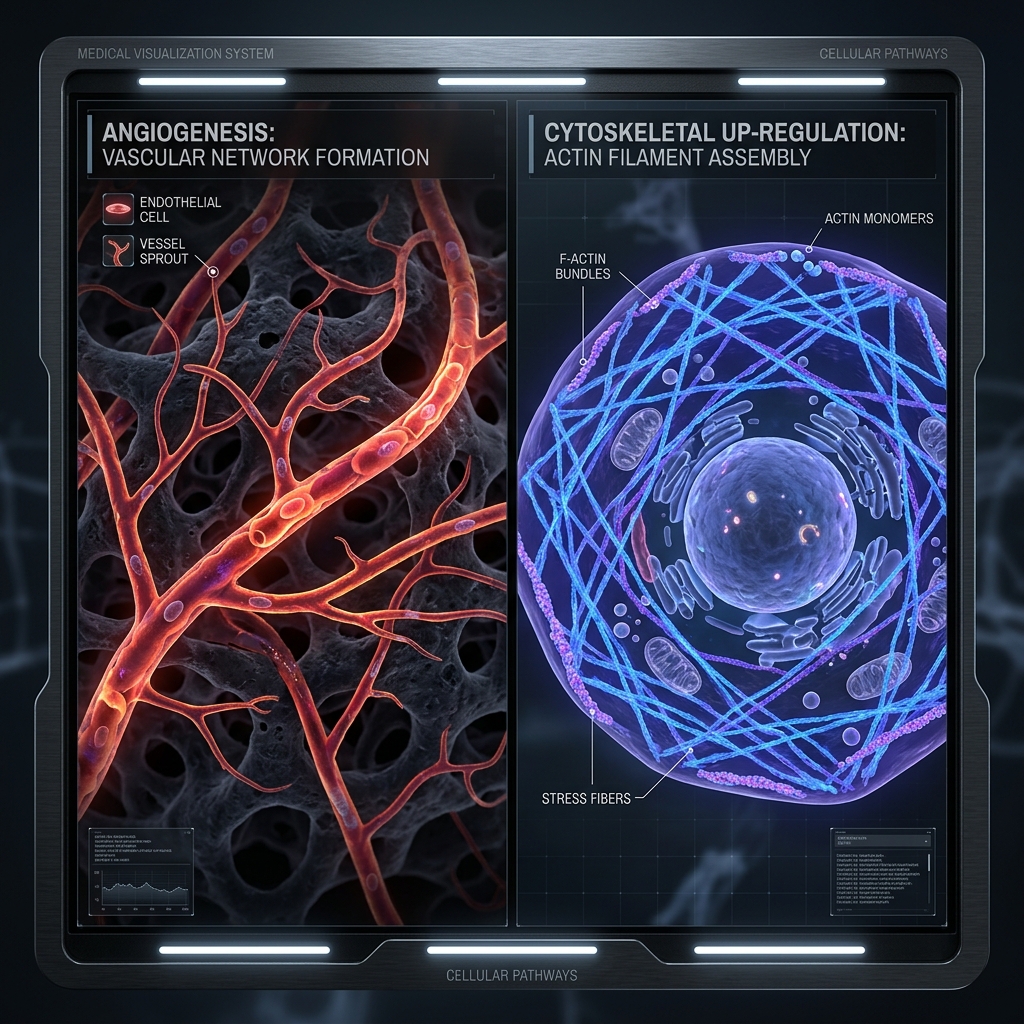
Successful tissue repair requires a robust, nutrient-rich blood supply. Ischemic tissues (tissues deprived of oxygen and blood flow) heal at a fraction of the speed of highly vascularized tissues. GHK-Cu has been consistently observed to stimulate angiogenesis (the formation of new capillary blood vessels from existing vascular networks).
It achieves this potent angiogenic effect by increasing the cellular expression of vascular endothelial growth factor (VEGF) and basic fibroblast growth factor (bFGF). In laboratory models investigating ischemic tissue (such as delayed wound healing in diabetic subjects or severe burn trauma), the targeted introduction of GHK-Cu has been shown to rapidly induce capillary growth, facilitating the urgent delivery of nutrients, oxygen, and immune cells necessary for total cellular regeneration.
E-E-A-T Focus: Why Independent HPLC Testing is Critical for Research Peptides
For principal investigators and independent researchers conducting sensitive assays on fibroblast activation or cellular senescence, the chemical purity of the GHK-Cu compound is absolutely non-negotiable. Contaminants, residual heavy metals, or truncated peptide sequences (which can frequently occur during poorly managed Solid-Phase Peptide Synthesis) can dramatically skew experimental results, trigger un-targeted immune or inflammatory responses in cellular cultures, or completely nullify the peptide's highly specific signaling capabilities.
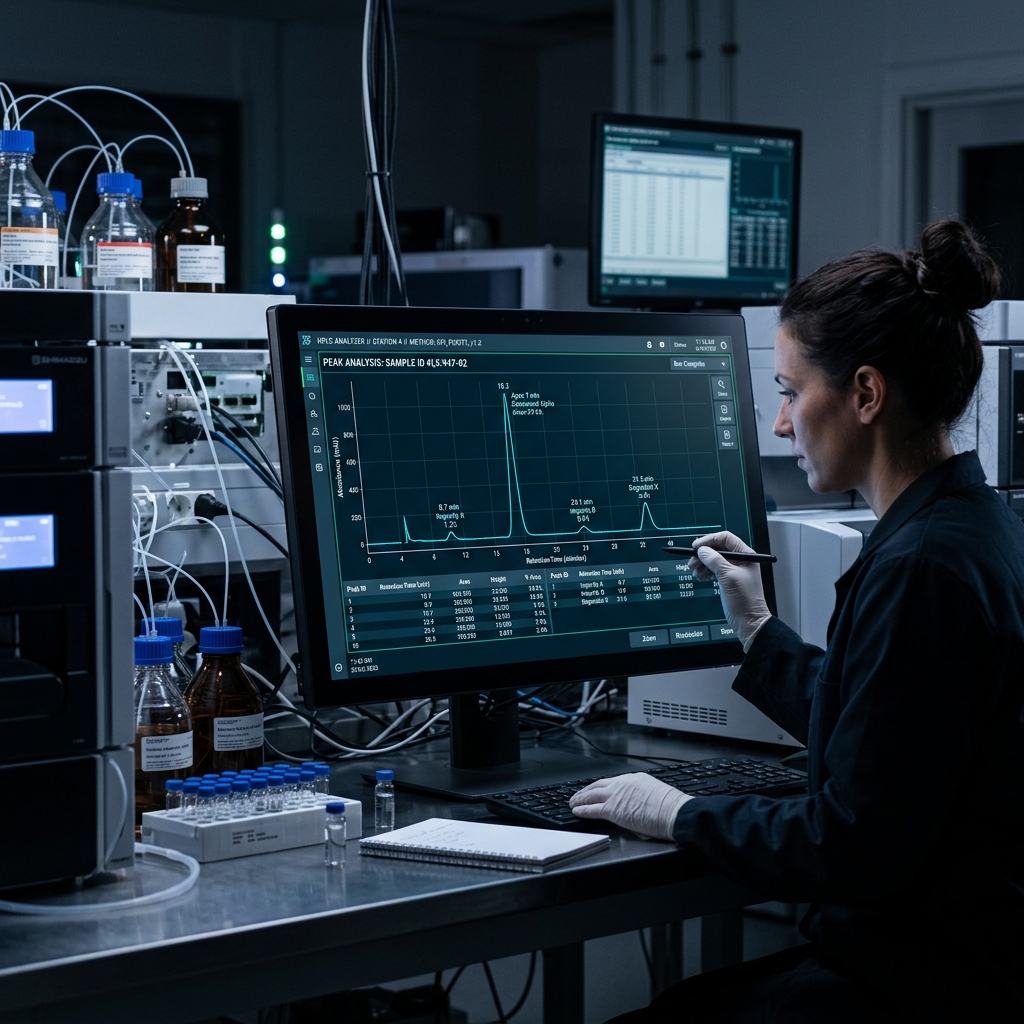
At The Looksmaxxing Lab, we enforce a strict, industry-leading ≥99% purity floor. We do not rely on in-house testing or manufacturer claims. Every single production batch of GHK-Cu is quarantined and sent to an independent, third-party, ISO-certified laboratory within the United States for rigorous High-Performance Liquid Chromatography (HPLC) and Liquid Chromatography–Mass Spectrometry (LC-MS) analysis.
Before introducing any compound into a research protocol, researchers must verify its structural identity and purity. We make this process completely transparent. You can view the lot-specific, independent test results for our GHK-Cu (and all other research compounds) in our publicly accessible Certificates of Analysis (COA) Library.
Synergistic Protocols: Combining GHK-Cu with Other Peptides
Advanced researchers frequently combine GHK-Cu with other regenerative compounds to observe synergistic effects on tissue healing. A common protocol involves the administration of BPC-157 to rapidly promote gastric and soft tissue angiogenesis alongside GHK-Cu to accelerate fibroblast-driven collagen deposition. For systemic structural repair, researchers often look to TB-500 to increase cellular motility, driving repair cells directly to the site of trauma while GHK-Cu optimizes the local extracellular matrix environment.
Comprehensive Frequently Asked Questions (FAQ)
What is the precise molecular weight of the GHK-Cu complex?
The base sequence of GHK (Glycyl-L-Histidyl-L-Lysine) has a molecular weight of 340.38 g/mol. When complexed with a copper (Cu2+) ion, the total molecular weight increases to approximately 402 g/mol, which contributes to its high permeability in research models.
How does GHK-Cu differ from uncomplexed GHK?
While uncomplexed GHK has biological activity (often acting to scavenge excess copper in toxic environments), the GHK-Cu complex is definitively required for the majority of its regenerative signaling functions, including the modulation of MMPs and the massive up-regulation of collagen synthesis pathways in fibroblasts.
What is the optimal storage temperature for lyophilized GHK-Cu?
For long-term experimental stability, lyophilized GHK-Cu should be stored in a freezer at -20°C or below, strictly away from direct light and moisture. Once reconstituted with bacteriostatic water, it should be stored at 2°C to 8°C (refrigerated) and typically utilized within 14 to 21 days for optimal molecular integrity.
How does GHK-Cu influence collagen synthesis in-vitro?
GHK-Cu biochemically signals dermal fibroblasts to exponentially increase the synthesis of both Type I and Type III collagen. It achieves this by modulating the TGF-β pathway and optimizing the critical balance between tissue-destroying matrix metalloproteinases (MMPs) and their natural inhibitors (TIMPs).
Can GHK-Cu be used to study angiogenesis and blood flow?
Absolutely. GHK-Cu is frequently utilized in advanced in-vitro models to study angiogenesis, as it has been empirically shown to rapidly up-regulate the cellular expression of vascular endothelial growth factor (VEGF) and basic fibroblast growth factor (bFGF), promoting dense capillary generation.
Why is independent HPLC testing necessary for research peptides like GHK-Cu?
Solid-Phase Peptide Synthesis (SPPS) is a complex chemical process that can easily produce truncated sequences or chemical impurities if not meticulously controlled. Independent HPLC testing separates, identifies, and quantifies every chemical component in the vial, ensuring researchers are utilizing a compound of ≥99% purity without experimental interference from toxic byproducts.
Does GHK-Cu possess systemic antioxidant properties?
Yes. GHK-Cu acts as a highly potent antioxidant regulator. While it doesn't scavenge free radicals directly in the same blunt manner as Vitamin C, it intelligently up-regulates the cellular production of superoxide dismutase (SOD), arguably the most important primary endogenous antioxidant enzyme in the human body.
What is the mechanism of action for GHK-Cu in tissue remodeling and scar reduction?
During tissue remodeling, GHK-Cu acts as a biological feedback signal. It suppresses pro-inflammatory cytokines (like TGF-beta1), stimulates the removal of damaged, fibrotic proteins via controlled MMP activation, and simultaneously promotes the orderly deposition of new collagen and glycosaminoglycans, leading to tissue that resembles healthy skin rather than scar tissue.
Where can I find the purity verification for The Looksmaxxing Lab's GHK-Cu?
Every single batch of our GHK-Cu undergoes independent, third-party HPLC and LC-MS testing at a certified US laboratory. The lot-specific documentation is publicly available in our COA Library.
Do I need a medical prescription to purchase GHK-Cu for laboratory research?
No. The GHK-Cu offered by The Looksmaxxing Lab is classified strictly for Research Use Only (RUO). It is an investigational laboratory reagent, not an FDA-approved therapeutic drug, and therefore does not require a prescription for qualified researchers.