Metabolic Peptides and Tissue Laxity: The Science Behind "GLP-1 Face"
The landscape of metabolic research, endocrinology, and obesity science has undergone a seismic shift with the introduction of glucagon-like peptide-1 (GLP-1) receptor agonists and dual GLP-1/GIP agonists. Originally developed to study glycemic control and pancreatic beta-cell function in models of Type 2 Diabetes, these metabolic compounds (such as Semaglutide and Tirzepatide) have demonstrated unprecedented, paradigm-shifting efficacy in inducing rapid adipose tissue (fat) reduction in laboratory models.
However, the scientific community—and particularly researchers focused on biological optimization, dermatological resilience, and aesthetic biology (often termed "looksmaxxing")—has recently turned its hyper-focused attention to a severe secondary physiological consequence of these peptides: the phenomenon colloquially referred to in clinical circles as "GLP-1 Face" or metabolic-induced tissue laxity.
Adipocyte Biology and Extracellular Architecture
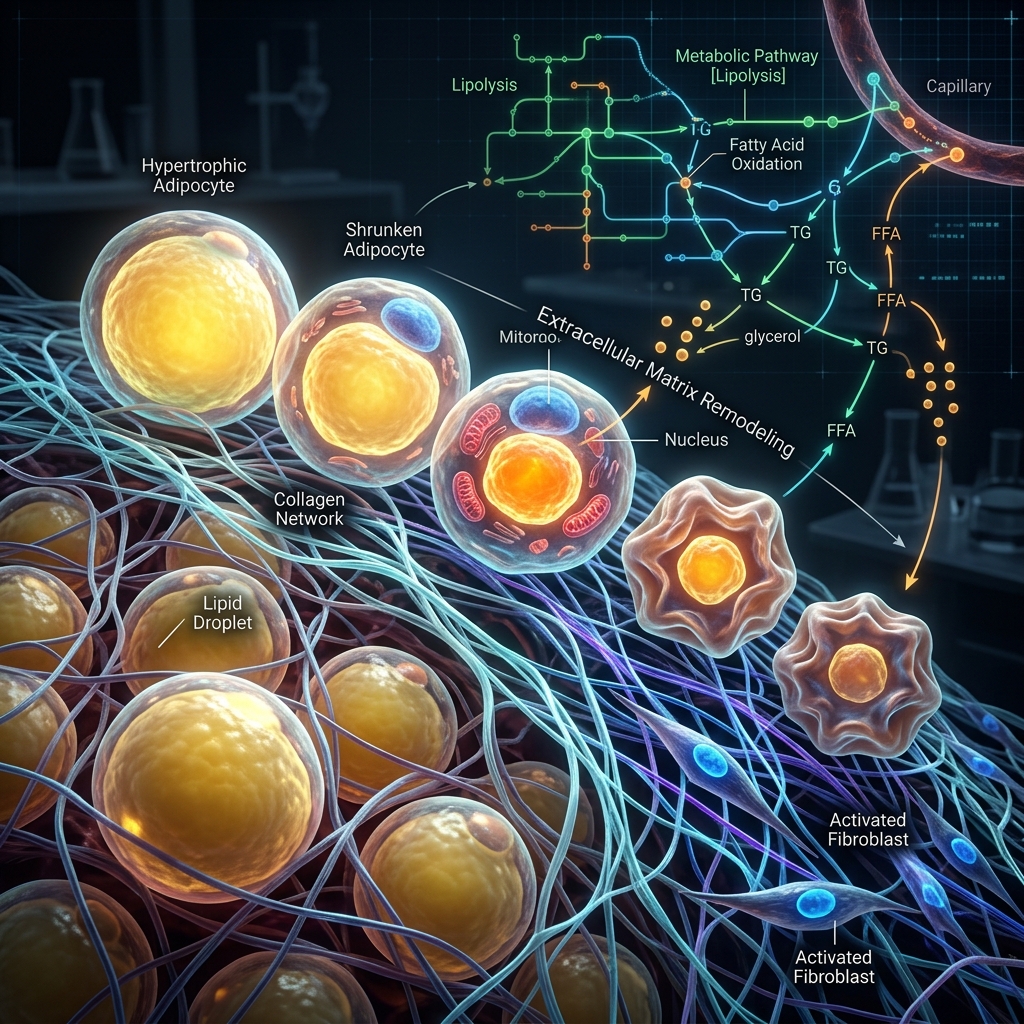
To fully understand the pathogenesis of tissue laxity, researchers must first understand the structural, mechanical relationship between subcutaneous adipocytes (fat cells) and the dermal extracellular matrix (ECM). The structural integrity of the facial anatomy is highly dependent on compartmentalized superficial and deep fat pads. These adipose tissues act as essential volumetric scaffolding. They are intricately interwoven with a dense network of collagen and elastin fibers (the ECM) that connect the dermis to the underlying superficial musculoaponeurotic system (SMAS) and fascia.

When researchers introduce metabolic peptides like Semaglutide or the dual-agonist Tirzepatide to an in-vivo model, the primary mechanism of action targets the GLP-1 receptors (and GIP receptors) in the central nervous system (hypothalamus) to severely suppress appetite, while simultaneously enhancing glucose-dependent insulin secretion and delaying gastric emptying. The systemic result is an aggressive catabolic state where stored triglycerides within the adipocytes are rapidly hydrolyzed into free fatty acids and glycerol to meet the body's energy deficit.
As the adipocytes rapidly shrink in volume, the surrounding structural scaffolding (the collagen and elastin network) suddenly loses its foundational, volumetric support. The "balloon" deflates, but the "envelope" remains stretched.
The Pharmacodynamics of Tissue Laxity and Collagen Atrophy
The severity of tissue laxity following metabolic peptide intervention is determined by a biological "race" between two competing cellular processes:
- The rate of adipocyte volume reduction: The speed at which lipid hydrolysis occurs due to the GLP-1 induced caloric deficit.
- The rate of fibroblast-mediated tissue remodeling: The ability of local dermal fibroblasts to synthesize new collagen to tighten and retract the "envelope" around the rapidly shrinking fat pads.
In young, highly optimized biological models with robust hormone profiles, fibroblasts can rapidly synthesize new Type I and Type III collagen to dynamically adapt to the changing structural demands. However, in older models, or during the extreme caloric and nutritional deficits frequently induced by potent GLP-1 agonists like Tirzepatide, fibroblast activity is often severely down-regulated. The mechanical strain on the existing collagen network is suddenly removed, and without the biochemical stimulus or nutritional building blocks to rapidly remodel, the skin remains lax, redundant, and structurally compromised.
E-E-A-T Focus: The Complexity of Sourcing High-Purity Metabolic Peptides
Metabolic peptides are exceptionally complex, long-chain biological molecules. Semaglutide, for instance, is a 31-amino acid polypeptide with a highly specific structural modification (an attachment of a C18 fatty diacid) that significantly extends its half-life by promoting tight binding to serum albumin. Tirzepatide is an even more complex 39-amino acid sequence.
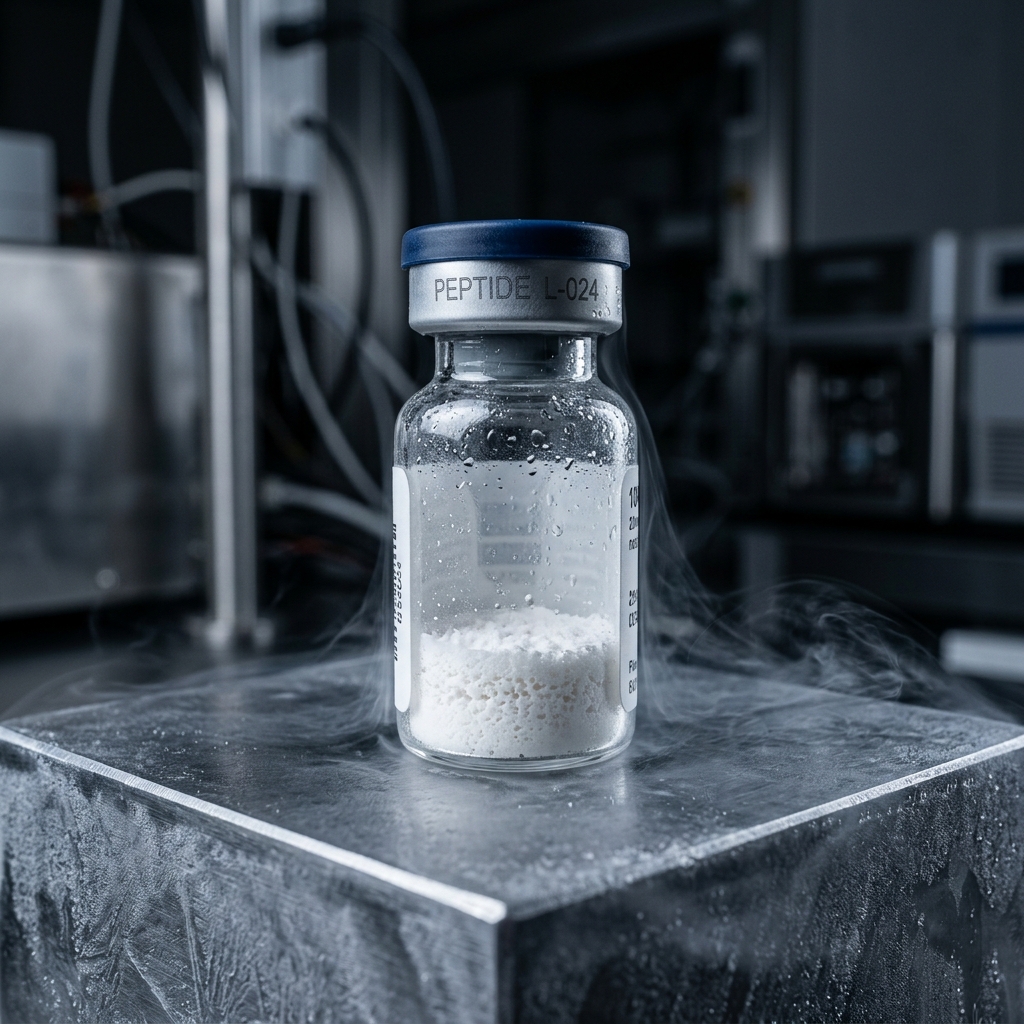
During Solid-Phase Peptide Synthesis (SPPS), synthesizing amino acid chains of this tremendous length is highly prone to deletion errors, oxidation, or incomplete coupling reactions, resulting in truncated peptide sequences. If researchers utilize impure, "gray market" compounds, these truncated sequences can competitively inhibit the target GLP-1 receptors without activating them, resulting in unpredictable metabolic responses, or worse, trigger severe immunogenic and allergic reactions in the test subject. This is why purchasing compounds with verified HPLC and mass spectrometry data is absolutely paramount.
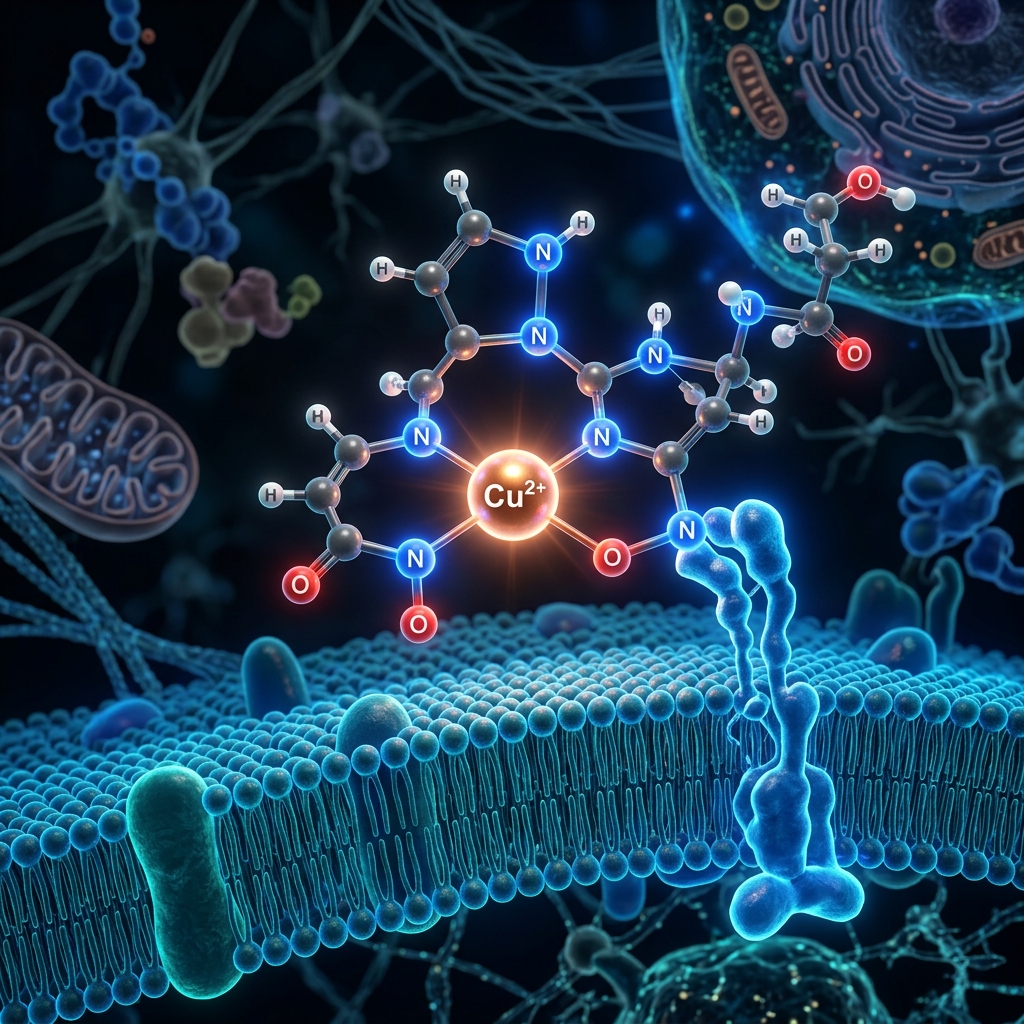
To mitigate tissue laxity in experimental models utilizing metabolic peptides, researchers often construct synergistic protocols combining GLP-1 agonists with structural repair peptides. A common protocol involves the simultaneous administration of GHK-Cu to forcibly up-regulate fibroblast collagen synthesis to match the rate of adipose volume reduction, thereby preventing the "GLP-1 Face" phenomenon.
Comprehensive Frequently Asked Questions (FAQ)
What exactly causes 'GLP-1 Face' in metabolic research models?
'GLP-1 Face' is a clinical term used to describe profound facial tissue laxity and hollowness. It is caused primarily by the rapid hydrolysis (shrinkage) of superficial and deep subcutaneous fat pads due to extreme caloric deficits. When fat volume decreases faster than the dermal fibroblasts can synthesize new collagen to tighten the skin, the overlying tissue becomes physically lax and redundant.
Do GLP-1 agonists like Semaglutide directly destroy collagen?
Current research indicates that GLP-1 and GIP agonists do not directly catabolize (destroy) collagen or elastin. The tissue laxity observed is a mechanical consequence of rapid fat loss, combined with severe systemic nutritional deficits that inevitably down-regulate overall protein and collagen synthesis in the organism.
What is the structural difference between Semaglutide and Tirzepatide?
Semaglutide is a single-agonist peptide that specifically targets the GLP-1 receptor. Tirzepatide is a dual-agonist, featuring a massive 39-amino acid sequence that simultaneously targets both the GLP-1 and GIP (gastric inhibitory polypeptide) receptors, often resulting in far more aggressive metabolic effects, glycemic control, and weight reduction in laboratory models.
How can researchers counteract tissue laxity in experimental models?
Researchers often design protocols that combine metabolic peptides with structural/repair peptides. By concurrently introducing signaling molecules like GHK-Cu or BPC-157, researchers attempt to artificially up-regulate fibroblast activity and accelerate collagen synthesis to mechanically match the rapid rate of adipose tissue reduction.
Why must metabolic peptides be stored at cold temperatures?
Metabolic peptides are complex, fragile chains of amino acids (30+ acids long). Heat and UV light can rapidly degrade these peptide bonds through hydrolysis and oxidation. Lyophilized vials should be stored at -20°C for long-term stability, and once reconstituted, the vials must be refrigerated at 2°C to 8°C.
What is the role of the fatty acid chain in Semaglutide?
The precise acylation (attachment of a C18 fatty diacid chain) allows the Semaglutide molecule to strongly bind to serum albumin in the bloodstream. This brilliantly prevents rapid clearance by the kidneys and physically protects the peptide from enzymatic degradation by DPP-4, extending its half-life to roughly 7 days, compared to the mere minutes of endogenous GLP-1.
How are metabolic peptides verified for purity?
Because of their immense length, synthesizing metabolic peptides is incredibly difficult and prone to errors. Independent High-Performance Liquid Chromatography (HPLC) is strictly required to separate the target peptide from truncated sequences or toxic impurities, ensuring a clinical purity level of ≥99%.
Where can I find the purity results for The Looksmaxxing Lab's metabolic peptides?
Every production batch of our Semaglutide and Tirzepatide is tested by an independent, third-party US laboratory. You can find the lot-specific, downloadable test results for all metabolic and structural peptides in our COA Library.
Can I order Tirzepatide or Semaglutide without a medical prescription?
Yes, but strictly for laboratory research. The compounds sold by The Looksmaxxing Lab are classified as Research Use Only (RUO) laboratory reagents. They are strictly not for human consumption or therapeutic intervention, and thus do not require a prescription for qualified researchers.
How do I calculate the correct concentration for my in-vitro assays?
Molar concentration depends on the exact mass of the lyophilized powder and the precise volume of the diluent added. To easily calculate precise dosages for experimental applications, researchers should utilize our Peptide Reconstitution Calculator.