CJC-1295 + Ipamorelin: Growth Hormone Axis Research for Muscle Recovery and Body Composition
Growth hormone secretagogue research has produced dozens of compounds over the past two decades, but few combinations are studied as extensively — or as consistently paired — as CJC-1295 and Ipamorelin. Sold as a combined CJC-1295 + Ipamorelin blend, these two peptides act on distinct, non-competing receptor systems that converge on the same downstream outcome: growth hormone release from the anterior pituitary.
This guide provides a comprehensive mechanistic breakdown of both compounds, explains why their dual-receptor approach is considered a gold-standard research design for studying the GH/IGF-1 axis, and outlines the specific research applications driving their continued relevance in muscle recovery and body-composition-focused laboratory models. Researchers evaluating secretagogue options for a new protocol will find this comparison useful for understanding exactly why the two compounds are so frequently paired rather than studied in isolation.
CJC-1295: A Stabilized GHRH Analog
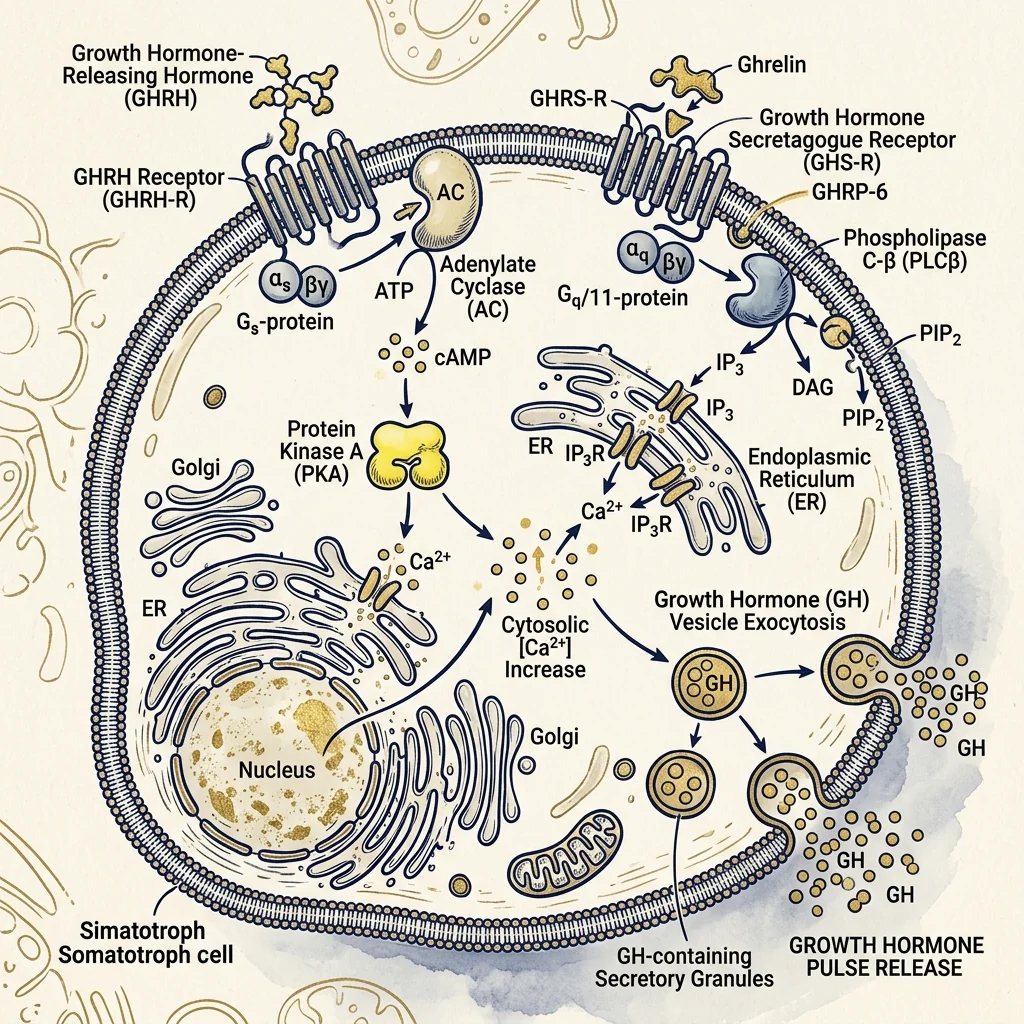
CJC-1295 is a synthetic analog of Growth Hormone Releasing Hormone (GHRH), engineered to resist rapid enzymatic degradation and bind pituitary GHRH receptors with high affinity. When introduced into a research model, it stimulates somatotroph cells within the anterior pituitary to synthesize and release growth hormone, functioning as an upstream amplifier of the body's own natural GH signaling architecture rather than introducing exogenous growth hormone directly.
No-DAC vs. DAC: A Critical Distinction for Research Design
Researchers must understand a key structural distinction within the CJC-1295 research family. The DAC (Drug Affinity Complex) variant is modified to bind circulating albumin, dramatically extending its half-life and producing sustained, elevated GHRH receptor stimulation over multiple days. The No-DAC variant — sometimes referred to as Modified GRF 1-29 — has a much shorter half-life, producing a sharper, more physiologic GH pulse that more closely mirrors the body's natural pulsatile GHRH signaling pattern. This distinction meaningfully shapes experimental design: sustained-elevation protocols versus pulse-mimetic protocols answer fundamentally different research questions.
Ipamorelin: A Selective Ghrelin Receptor Agonist
Ipamorelin operates through an entirely separate receptor system. As a member of the growth hormone secretagogue (GHS) class, Ipamorelin binds the ghrelin receptor (GHS-R) on pituitary somatotrophs, triggering a second, independent GH-release pathway. What distinguishes Ipamorelin from earlier-generation secretagogues like GHRP-6 is its remarkable receptor selectivity — research models consistently show Ipamorelin producing minimal elevation of cortisol and prolactin, two hormones frequently co-elevated by less-selective ghrelin mimetics.
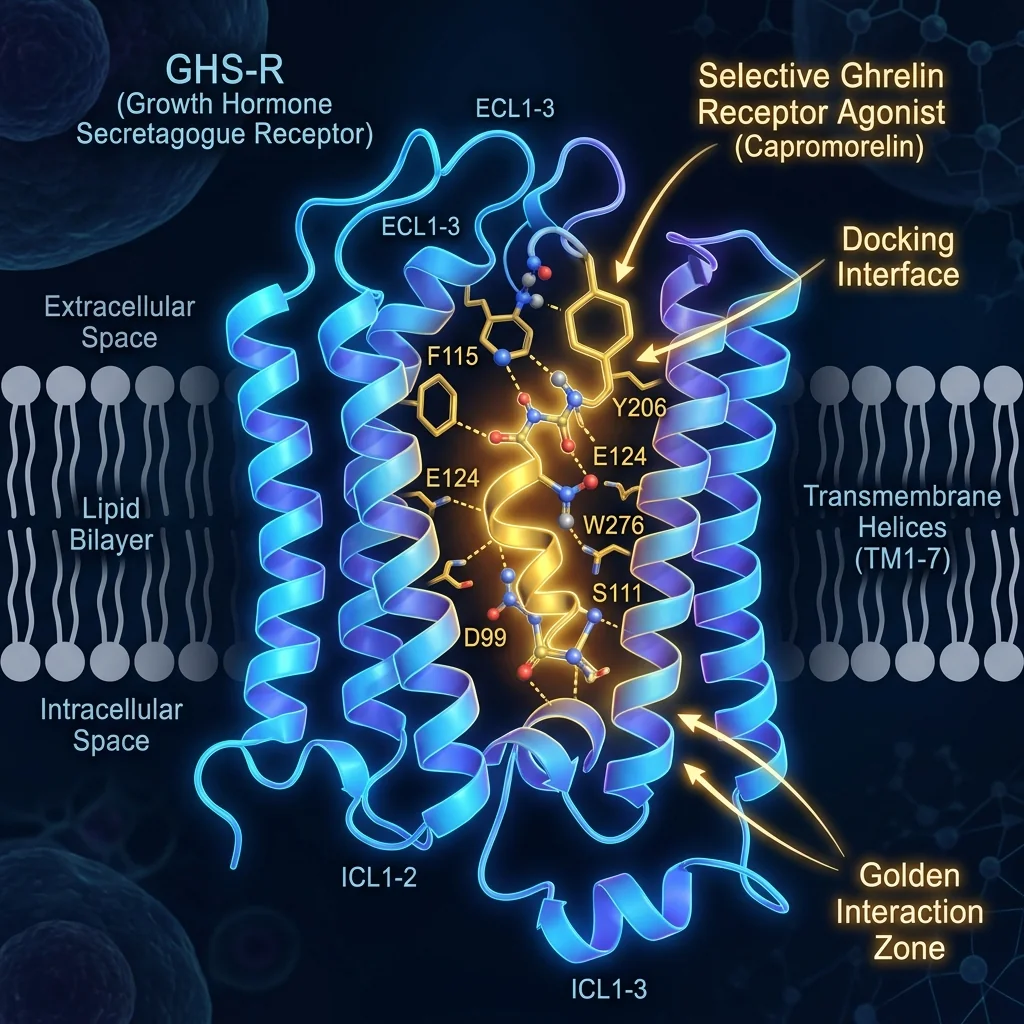
This selectivity is precisely why Ipamorelin is so frequently chosen as the ghrelin-pathway component in combined research protocols: it allows investigators to isolate the growth hormone pulse itself as a variable, without the confounding secondary hormonal noise introduced by less-selective secretagogues.
Why the Dual-Receptor Combination Produces a Synergistic Pulse
Because CJC-1295 stimulates the GHRH receptor and Ipamorelin independently stimulates the ghrelin receptor (GHS-R), combining them in a single research protocol engages two entirely separate intracellular signaling cascades that both converge on growth hormone release from the same somatotroph cell population. Research models consistently demonstrate that this dual-pathway stimulation produces a measurably larger GH pulse than either compound achieves independently — the two mechanisms amplify rather than compete with one another. This convergent-but-independent signaling design is precisely what makes the combination such a widely cited reference stack in GH secretagogue literature, since it allows researchers to model additive receptor engagement within a single, well-characterized protocol.
| Attribute | CJC-1295 | Ipamorelin |
|---|---|---|
| Compound class | GHRH analog | Selective ghrelin receptor (GHS-R) agonist |
| Receptor target | Pituitary GHRH receptor | Ghrelin receptor (GHS-R) |
| Secondary hormone effect | Minimal | Minimal cortisol / prolactin elevation (high selectivity) |
| Research role in combination | Primes GH synthesis pathway | Triggers independent, complementary GH pulse |
Research Applications in Muscle Recovery and Body Composition Models
The downstream consequence of amplified GH release is elevated hepatic IGF-1 production, a signaling axis heavily implicated in laboratory models of protein synthesis, lean tissue maintenance, and post-exertion recovery kinetics. Current research applications for the CJC-1295 + Ipamorelin combination include:
- Body composition modeling: Investigating GH/IGF-1 axis contribution to lean mass and fat oxidation in comparative laboratory models.
- Recovery kinetics: Studying how amplified GH pulses influence post-exertion cellular repair timelines in muscle tissue models.
- Sleep-cycle-linked secretion: Mapping how GH secretagogue timing interacts with the body's natural sleep-linked GH release architecture.
- Comparative secretagogue research: Benchmarking CJC-1295 + Ipamorelin against other GH-axis compounds such as Tesamorelin or Sermorelin in dose-response titration studies.
Comparing CJC-1295 + Ipamorelin to Other Secretagogue Stacks
The CJC-1295 + Ipamorelin combination is often positioned against alternative GH secretagogue stacks in comparative research literature. Against GHRP-6 or GHRP-2 based protocols, Ipamorelin's high GHS-R selectivity is consistently the differentiating variable — where GHRP-6 in particular is studied for a pronounced appetite-stimulating effect via cross-reactivity with the ghrelin receptor's orexigenic signaling, Ipamorelin's cleaner receptor profile makes it the preferred choice when researchers specifically want to isolate GH-pulse magnitude as the primary dependent variable.
Against Tesamorelin-based protocols (a stabilized GHRH analog explored in depth in our companion article on Tesamorelin and Retatrutide), the CJC-1295 + Ipamorelin combination is distinguished by its dual-receptor mechanism. Tesamorelin research relies solely on GHRH receptor stimulation, whereas the CJC-1295 + Ipamorelin design deliberately recruits a second, independent ghrelin-receptor pathway. This makes the combination a frequent reference point in literature specifically investigating whether dual-pathway GH stimulation produces measurably different downstream research outcomes compared to single-pathway GHRH stimulation alone.
Practical Considerations for Reconstitution and Dosing Frequency
Because No-DAC CJC-1295 and Ipamorelin both carry comparatively short half-lives relative to their DAC-modified or long-acting counterparts, published research protocols investigating this combination typically favor more frequent, smaller-volume administration schedules designed to approximate the body's natural pulsatile GH release pattern, rather than infrequent, high-volume dosing intended for sustained elevation.
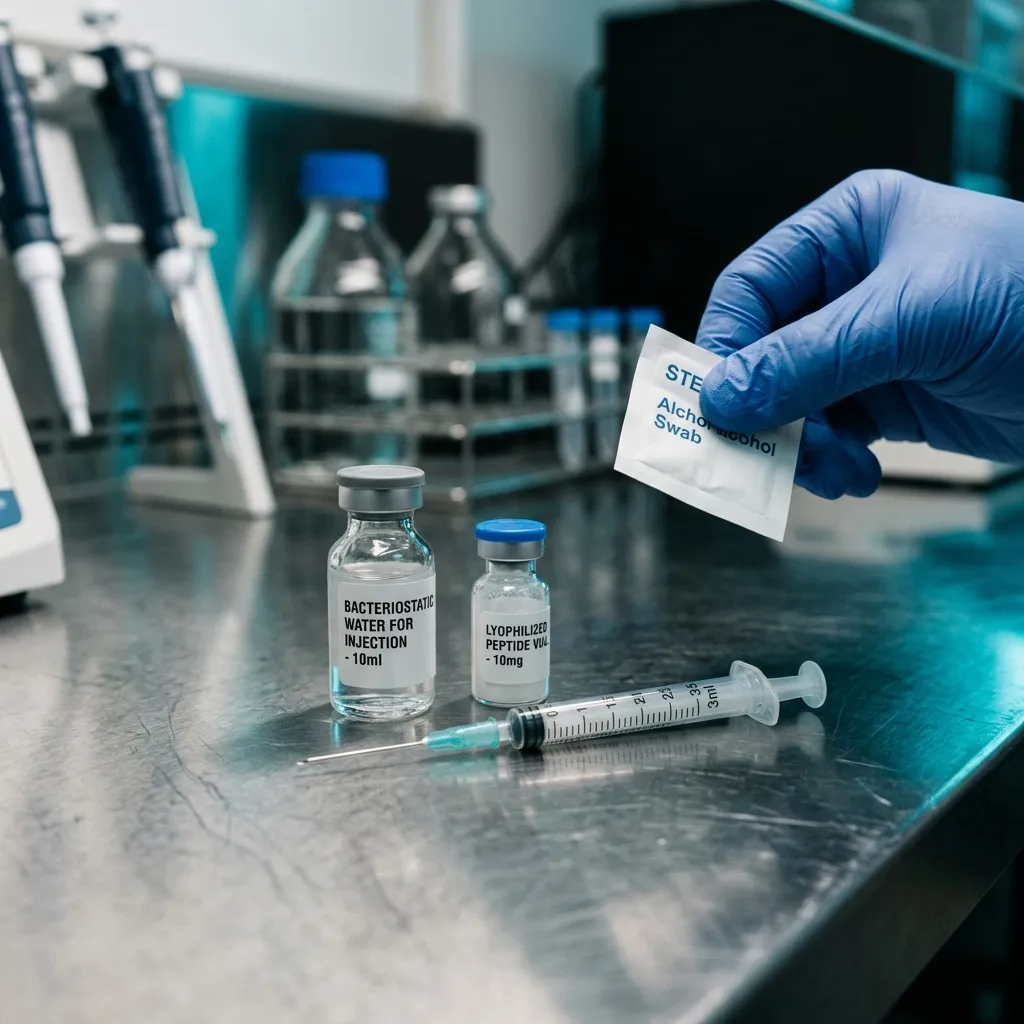
Researchers should also account for injection-site rotation and reconstitution consistency across a multi-week protocol, since both peptides are structurally sensitive to repeated freeze-thaw cycles and prolonged exposure to ambient temperature. Establishing a standardized reconstitution and storage workflow at the outset of a study meaningfully reduces batch-to-batch variability across a longitudinal research timeline.

Combining GH-Axis Research With Structural Repair Peptides
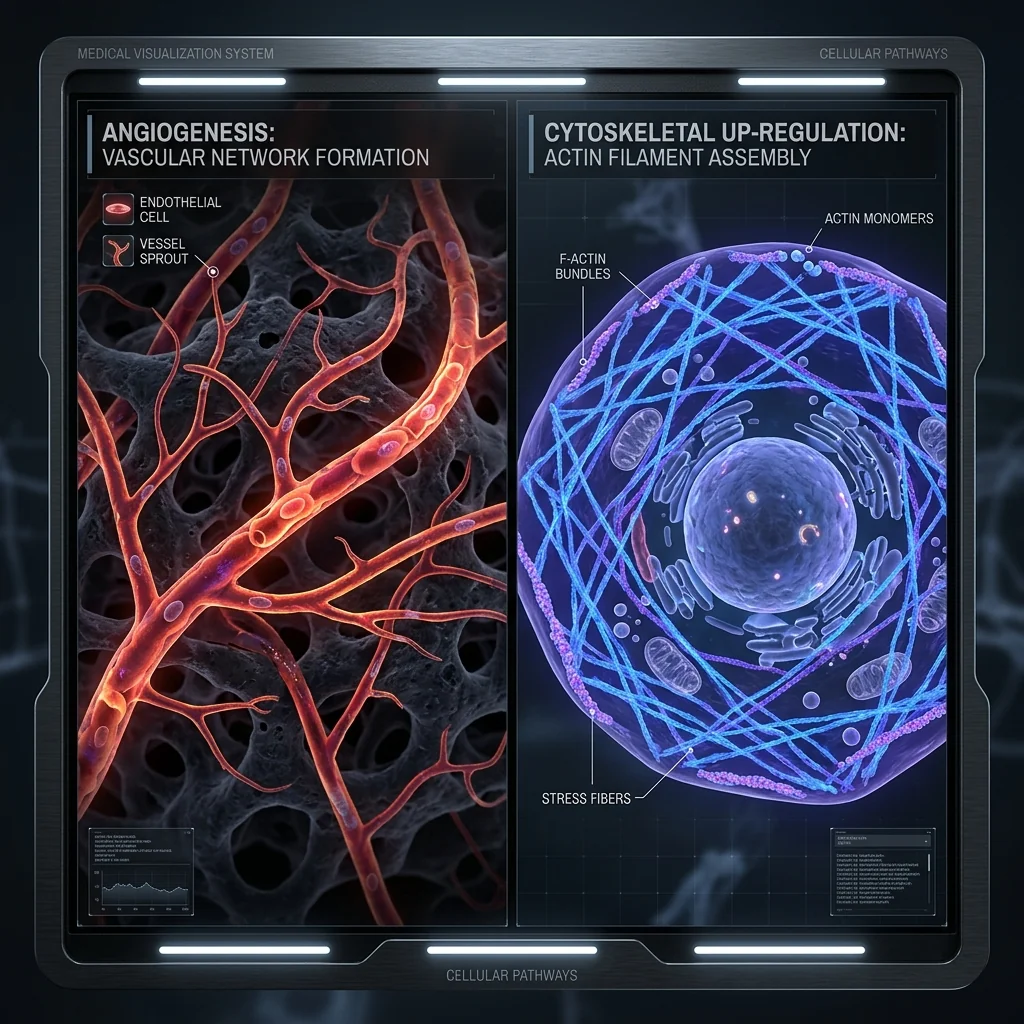
Because CJC-1295 + Ipamorelin acts systemically on GH/IGF-1 signaling rather than locally on tissue repair, many researchers extend their protocols with structural, localized-repair compounds. As detailed in our companion article comparing BPC-157 and TB-500, angiogenic and actin-modulating peptides operate on entirely different mechanisms than systemic GH-axis stimulation — pairing the two categories allows researchers to model comprehensive recovery scenarios spanning both systemic hormonal signaling and localized cellular repair.
Research Applications Beyond Muscle Recovery
While muscle recovery and body composition dominate current CJC-1295 + Ipamorelin research interest, the broader GH/IGF-1 axis these compounds stimulate has documented relevance across several adjacent research domains. Sleep architecture is one such area — endogenous GH secretion naturally peaks during slow-wave sleep, and researchers studying secretagogue-induced GH pulses frequently track downstream effects on sleep-stage distribution and subjective recovery markers as secondary endpoints alongside primary body-composition measurements.
Connective tissue and bone density research represents a second adjacent field, given IGF-1's well-documented role in osteoblast activity and collagen matrix synthesis. Researchers investigating skeletal or connective tissue models sometimes incorporate CJC-1295 + Ipamorelin as a systemic GH-axis stimulus alongside more localized structural peptides, allowing comparative study of systemic versus localized repair signaling within the same experimental framework.
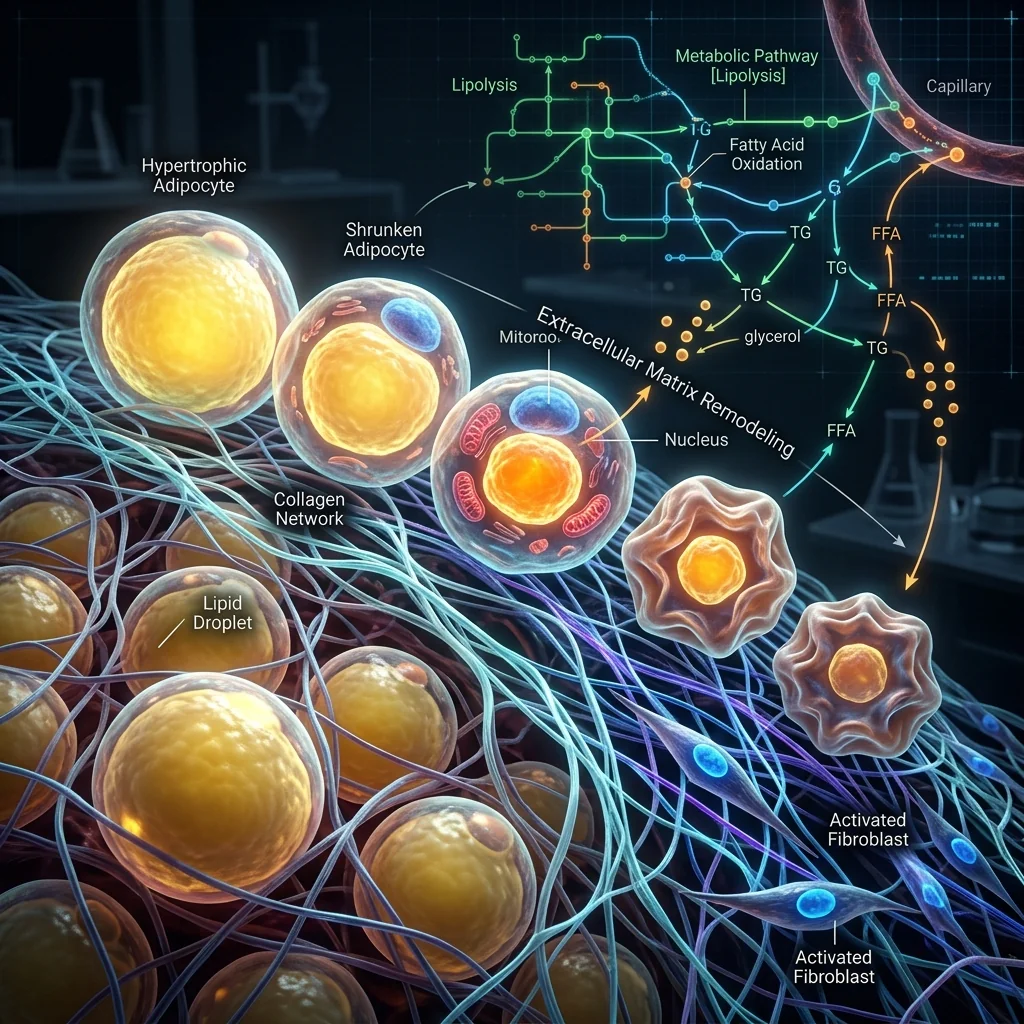
A third area of ongoing interest is metabolic rate and fat oxidation research, since elevated GH signaling is independently associated with increased lipolysis in laboratory models. Researchers frequently pair GH-axis secretagogue data with body-composition imaging to separate lean-mass-driven changes from fat-oxidation-driven changes across a study timeline, building a more complete picture of how dual-pathway GH stimulation influences overall body composition beyond muscle tissue alone. Taken together, these adjacent research threads illustrate why CJC-1295 + Ipamorelin remains one of the most versatile reference stacks in contemporary GH-axis literature, extending well past its original recovery-focused research framing.
E-E-A-T Focus: Purity Standards for GH-Axis Research Peptides
Both CJC-1295 and Ipamorelin are relatively short, structurally sensitive sequences, but synthesis errors — deletion sequences, incomplete coupling reactions, or oxidation — can still meaningfully compromise receptor-binding accuracy and skew experimental GH-pulse measurements.
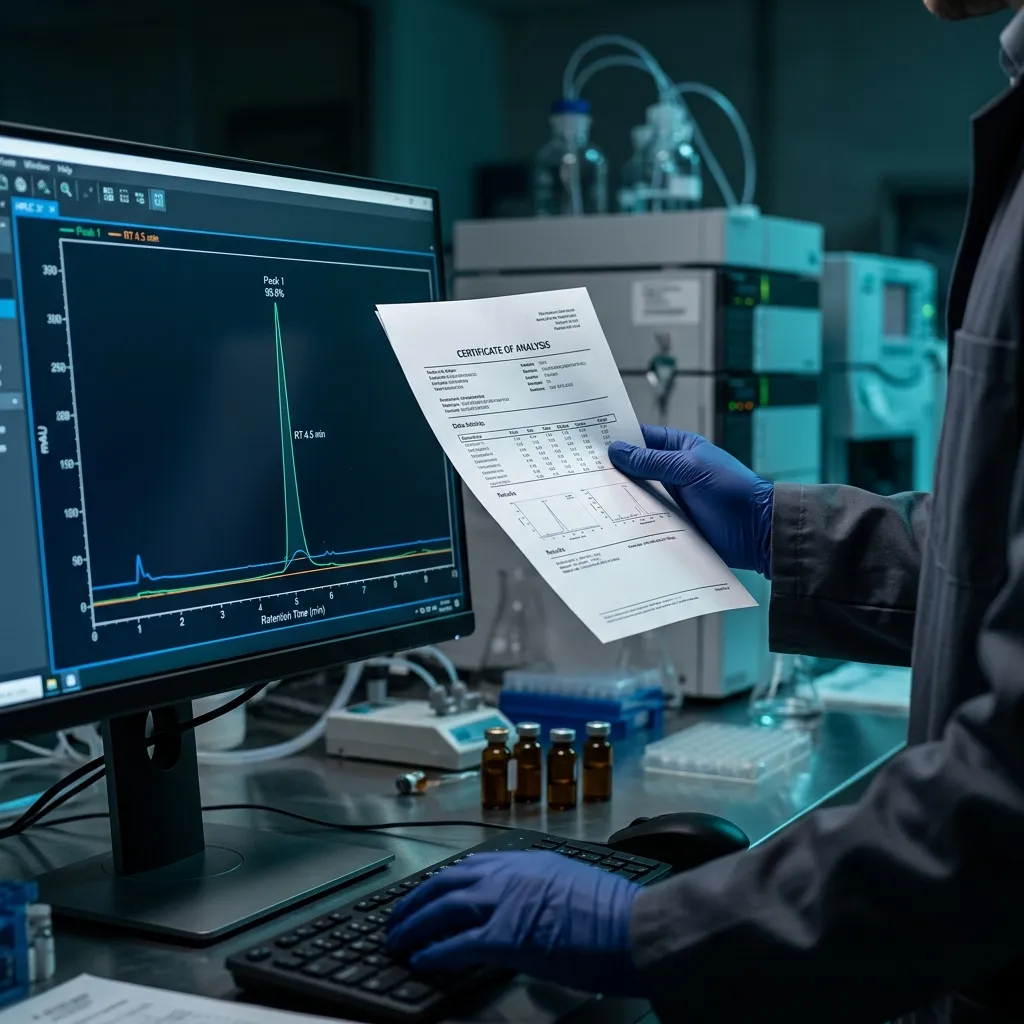
Every batch of CJC-1295, Ipamorelin, and the combined CJC-1295 + Ipamorelin blend sold by The Looksmaxxing Lab is synthesized via Solid-Phase Peptide Synthesis, purified through preparative HPLC, and verified via Electrospray Ionization Mass Spectrometry (ESI-MS) at an independent, third-party US laboratory, with a documented ≥99% purity floor on every lot.

Full lot-specific documentation is available in our publicly accessible Certificates of Analysis (COA) Library. To ensure dosing precision across both compounds, researchers should calculate exact molar concentrations using our Peptide Reconstitution Calculator prior to any experimental protocol — see our full reconstitution and storage guide for the complete step-by-step process.
Building a Reproducible Research Protocol
As with any dual-compound GH-axis protocol, reproducibility depends on tightly standardized experimental conditions. Because both No-DAC CJC-1295 and Ipamorelin produce comparatively short, sharp GH pulses rather than sustained elevation, researchers should standardize the timing of any blood-draw or downstream marker sampling relative to injection timing across every cohort and replicate. Inconsistent sampling windows are one of the most common sources of unexplained variance in secretagogue research, since GH pulse amplitude and duration are highly time-sensitive.
Investigators should also document baseline variables known to independently influence GH secretion — sleep quality, recent physical exertion, and fasting state — since all three can meaningfully shift baseline GH output independent of secretagogue administration. Maintaining a detailed, batch-referenced protocol log cross-checked against each compound's Certificate of Analysis allows researchers to confidently attribute observed effects to the CJC-1295 + Ipamorelin combination itself rather than uncontrolled procedural variance. This discipline becomes especially important in longitudinal recovery-focused protocols, where small measurement inconsistencies compound significantly over a multi-week or multi-month study window.
Comprehensive Frequently Asked Questions (FAQ)
What is the difference between CJC-1295 and Ipamorelin?
CJC-1295 is a Growth Hormone Releasing Hormone (GHRH) analog that binds pituitary GHRH receptors to stimulate growth hormone synthesis and release. Ipamorelin is a selective ghrelin receptor (GHS-R) agonist that triggers a separate, complementary growth hormone pulse without meaningfully elevating cortisol or prolactin.
Why are CJC-1295 and Ipamorelin frequently studied together?
Because they act on two distinct, non-competing receptor systems — GHRH receptors and ghrelin (GHS-R) receptors — combining them in a research protocol is studied for producing a more pronounced, synergistic growth hormone pulse than either compound activates independently.
What is the difference between CJC-1295 with DAC and No-DAC variants?
CJC-1295 with DAC (Drug Affinity Complex) is modified to extend its half-life via albumin binding, producing sustained GHRH receptor stimulation over several days. The No-DAC variant (sometimes called Modified GRF 1-29) has a much shorter half-life, producing a sharper, more physiologic GH pulse that more closely mimics natural GHRH signaling in research models.
Why does Ipamorelin selectivity matter in growth hormone secretagogue research?
Older-generation growth hormone secretagogues (like GHRP-6) are studied for meaningfully raising cortisol and prolactin alongside growth hormone. Ipamorelin is valued in research settings specifically because of its high selectivity for the GHS-R receptor, allowing investigators to isolate GH-pulse effects with a cleaner secondary-hormone profile.
What research applications focus on CJC-1295 + Ipamorelin for muscle and recovery?
Current research applications include studying GH-axis contributions to lean body mass, post-exertion recovery kinetics, sleep-cycle-linked GH secretion patterns, and comparative dose-response mapping against other secretagogue combinations in body-composition-focused laboratory models.
Can this GH-axis stack be studied alongside structural repair peptides like BPC-157?
Yes. Because CJC-1295 + Ipamorelin acts on systemic GH/IGF-1 signaling while compounds like BPC-157 and TB-500 act locally on angiogenesis and cellular motility, researchers frequently design combined protocols to study comprehensive recovery models — see our companion article comparing BPC-157 and TB-500 mechanisms.
How should CJC-1295 + Ipamorelin be stored and reconstituted?
Lyophilized CJC-1295 and Ipamorelin should be stored at -20°C, protected from light and moisture. Once reconstituted with bacteriostatic water, refrigerate at 2°C to 8°C and use within the stability window defined by your research protocol.
What purity standards do CJC-1295 and Ipamorelin need to meet for research use?
Both peptides should be synthesized via Solid-Phase Peptide Synthesis and purified through preparative HPLC to eliminate truncated sequences. Final molecular weight confirmation via Electrospray Ionization Mass Spectrometry (ESI-MS) should document a purity floor of ≥99% on every batch.
Where can I find COA documentation for The Looksmaxxing Lab's GH-axis peptides?
Every production batch of our CJC-1295, Ipamorelin, and CJC-1295 + Ipamorelin blend is tested by an independent, third-party US laboratory. Lot-specific Certificates of Analysis are publicly available in our COA Library.
Do I need a prescription to order CJC-1295 or Ipamorelin for laboratory research?
No. These compounds are classified strictly as Research Use Only (RUO) laboratory reagents. They are not FDA-approved therapeutics and are not intended for human or veterinary consumption, so no prescription is required for qualified researchers.